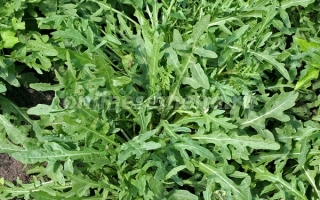
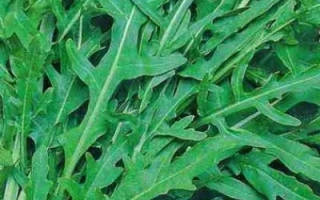
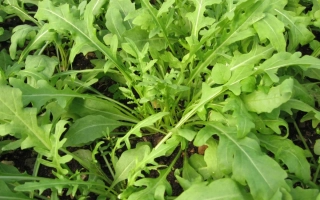
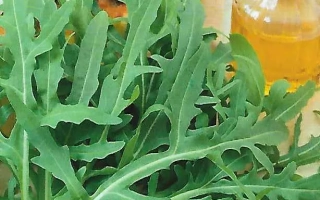
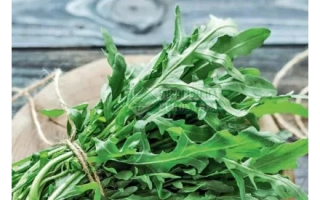
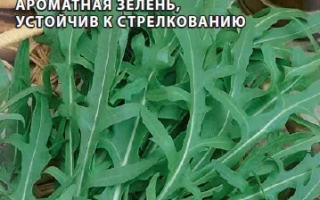
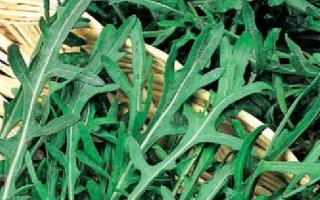
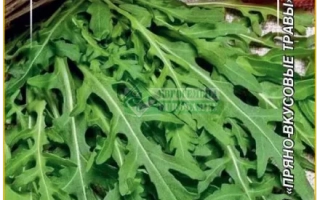
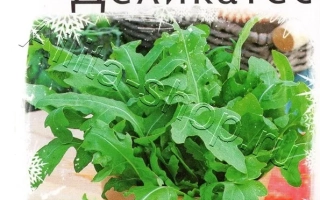
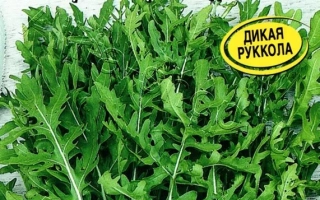
Nasturtium officinale is a perennial plant of the mustard family, which resembles arugula in taste and appearance. The leaves are bright green, smooth, medium-sized, often deeply cut, yet retain a delicate texture until harvest. The flowers are light yellow, and the mass of one plant is about 22 grams.
The vegetative period from full germination to the beginning of commercial readiness is approximately 20–25 days, after which the leaves can be harvested as fresh greens for salads and side dishes for meat and fish.
With proper care, one square meter can yield a harvest ranging from 1 to 1.5 kilograms of greens. The plant recovers quickly after cutting, making it convenient for multiple harvests throughout the season.
Nasturtium officinale is unpretentious and frost-resistant: it can be sown in spring, summer, and even under winter conditions. The optimal temperature regime for intensive growth is +16–18 °C, and under good lighting, the plant quickly grows to a height of 20–22 centimeters. Young leaves, flowers, and seeds are used as food (the latter are used in the production of mustard and oil). Thanks to the content of vitamins A, B, C, E, as well as micro- and macro-elements, the plant is a valuable source of nutrients for the body.