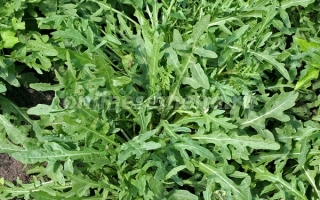
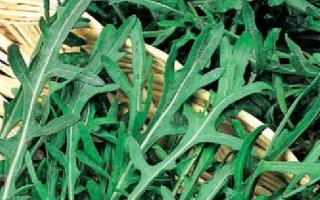
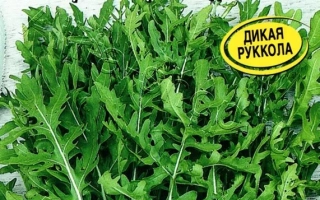
Diplotaxis tenuifolia (two-rowed cress) is a salad plant from the cabbage family that germinates quickly and reaches a height of about twenty centimeters in just three to four weeks after sowing. The vegetative period lasts 22–26 days, during which dense greens grow, suitable for fresh salads, side dishes for meat and fish, and as an addition to pizza, pasta, or baked goods.
The plant is undemanding: it can be grown in spring, summer, and even under winter. Diplotaxis tenuifolia tolerates moderate frost well and recovers quickly after cutting, making it convenient for multiple harvests during the season. With proper care, up to 1.5 kilograms of greens can be obtained from one square meter.
The taste of two-rowed cress is spicy, mustard-nutty, with a characteristic aroma that intensifies with longer storage in the garden bed. Leaves are rich in vitamins (A, B, C, E), minerals, and trace elements, making them a valuable addition to the diet. Flowers are light yellow, and seeds can be used for producing mustard and oil. Thanks to the simple cultivation method and resistance to adverse conditions, Diplotaxis tenuifolia is considered a "plant-and-forget" plant that easily fits into any garden or garden corner.