


SKU #65532
·
45 views
F 344 OL
Rapeseed
DEUTSCHE SAATVEREDELUNG AGUser rating
0 votes0% positive reviews
No ratings yet — be the first.
Type of Rape
Winter rape
Plant; height
150-160 cm, 160-170 cm, 170-180 cm
Registration year
2024
About product

A reliable German winter rapeseed hybrid with high adaptability and lodging resistance.
Type of Rape
Winter rape
Plant; height
150-160 cm, 160-170 cm, 170-180 cm
Registration year
2024
Description
Genetic potential and morphology of F 344 OL
German breeding by Deutsche Saatveredelung is known for its rigorous approach to crop adaptability, and the F 344 OL winter rapeseed is a direct reflection of this philosophy. At the heart of the hybrid lies a balance between biomass and lodging resistance, which is critical for obtaining stable yields in climate-volatile conditions.
Plant Architecture
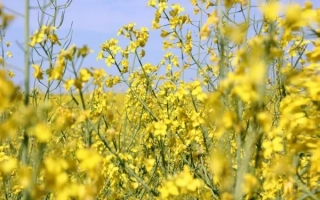
The stem height ranges from 150 to 180 cm, allowing the plant to effectively utilize photosynthetically active radiation throughout the entire growing season. The internal stem structure ensures elasticity: at this height, the hybrid demonstrates high tolerance to lodging, minimizing losses during mechanized harvesting. The root system is characterized by intensive development in the autumn period, promoting better sugar accumulation and successful overwintering.
Practical Significance
- Stable start: active development of the basal rosette before sub-zero temperatures arrive.
- Agrotechnical flexibility: due to variable height, the plant adapts to seeding density without losing lateral branch productivity.
- Economic efficiency: the breeding focus on synchronized pod ripening helps minimize shattering and grain loss during straight combining.
Choosing this hybrid from Deutsche Saatveredelung is an investment in the reliability of European genetics, where every centimeter of plant height is optimized for yield rather than excessive vegetative mass.
Specifications hover over for a hint about the specification
|
Type of Rape
Type of Rape
Winter rape is a long-day plant, characterized by weak winter hardiness. It may be damaged at temperatures of -8 to -10°C, so it is most commonly grown in regions with mild winters. The most favorable temperature for growth and development of rape is 18-24°C. It requires moisture... |
|
|---|---|
| Plant; height | 150-160 cm, 160-170 cm, 170-180 cm |
| Registration year | 2024 |
| Catalog | Catalog → Rapeseed |
| Manufacturer | DEUTSCHE SAATVEREDELUNG AG |
| Legal data |
Show · 1
|
| Country | Germany |
Store offers
Prices are updated on loadLoading offers…
Aggregator catalog: prices are collected automatically from store websites, normalized by AI and converted at the current exchange rate. Before ordering, confirm the price and availability on the store's website. This block is not indexed by search engines — the data is loaded after the page opens.
Not yet комментариев. Be the first!
Alternatives
Rapeseed seeds · similar varieties





See also
Often considered together with this variety





Recently viewed
Products you’ve viewed on this site
Reviews · 0