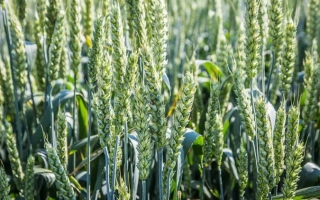
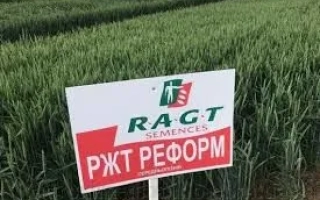
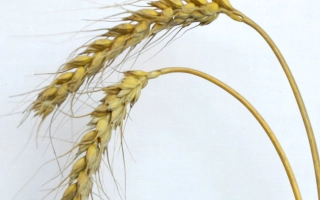
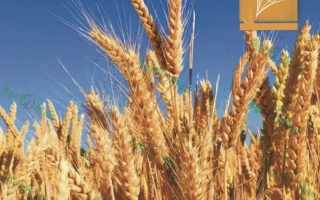
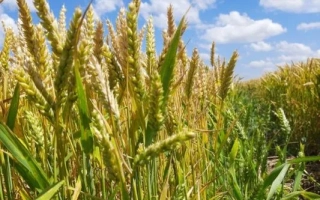
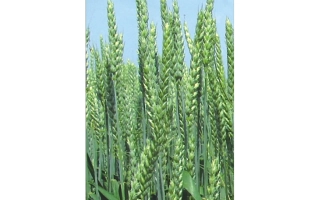
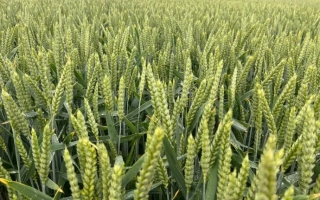
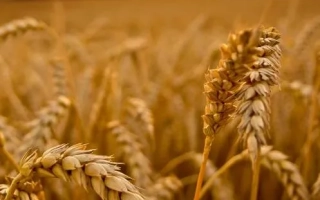
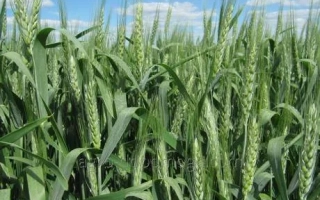
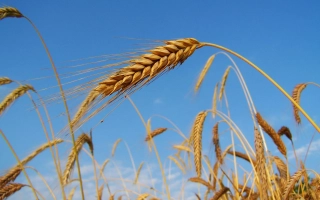
Winter wheat Raihorodka is an early-maturing, high-yielding variety belonging to the lutescens type. This medium-height variety is resistant to lodging and has high yields, reaching up to 99.2 c/ha, with potential yields ranging from 6 to 9 tons per hectare. Raihorodka exhibits high drought resistance and moderate resistance to major diseases, making it a reliable choice for cultivation in various regions, including Vinnytsia, Dnipro, Zhytomyr, Zaporizhzhia, Kirovohrad, Kyiv, Lviv, Mykolaiv, Odesa, Poltava, Rivne, Sumy, Kharkiv, and Cherkasy regions. It has a glumeless ear type and belongs to the early maturity group.
In terms of quality, Raihorodka features high protein content in grain — from 15.0 to 15.5% — and up to 32.8% crude gluten. These characteristics make this wheat strong and highly sought after in both food and feed industries. In particular, Raihorodka feed wheat is widely used in compound feed production due to its high protein level (11–15%), B and E vitamins, as well as essential microelements such as lysine and phosphorus.
Although Raihorodka feed wheat is not intended for direct human consumption, it is a valuable component in animal diets due to its high energy value. However, it should be noted that high levels of starch and gluten in the grain may cause colic in animals if improperly used, so proper feeding guidelines must be followed. Overall, the Raihorodka variety combines high productivity, resistance to adverse conditions, and favorable nutritional properties, making it a profitable and versatile choice for agricultural production.