


SKU #72352
·
56 views
SARATOVSKAYA 1
Mint
RosNIIPITI SK / Saratovskiy GUBIUser rating
0 votes0% positive reviews
No ratings yet — be the first.
Herbs
Mint
Plant Type
Perennial herbaceous plant
Leaf Color
Dark green
Assignment
Medicinal, Culinary
Store offers · 1 from 1 stores
Prices are updated on loadLoading offers…
Available at: Dacha-plus
Aggregator catalog: prices are collected automatically from store websites, normalized by AI and converted at the current exchange rate. Before ordering, confirm the price and availability on the store's website. This block is not indexed by search engines — the data is loaded after the page opens.
About product

A high-yielding perennial mint variety with a stable aromatic profile for pharmaceutical and culinary applications.
Herbs
Mint
Plant Type
Perennial herbaceous plant
Leaf Color
Dark green
Assignment
Medicinal, Culinary
Description
Breeding Profile and Biological Characteristics
The “Saratovskaya 1” mint variety is a specialized cultivar developed by the RosNIIPTI SK and Saratov State Agrarian University (Saratov GUGBI) under the guidance of Lidiya F. Grigoryeva. This perennial herb has been engineered to maintain consistent phenotypic traits, making it a reliable choice for commercial cultivation in environments with high moisture levels.
Plant Architecture and Physiological Demands
- Growth Habit: A hardy perennial herb designed for long-term production.
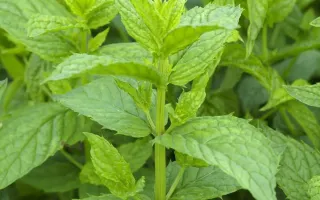
- Folliage: Deep, dark green leaves that reflect a high photosynthetic efficiency and a strong capacity for essential oil accumulation.
- Moisture Regime: The variety requires high soil moisture to reach its full productive potential, ensuring maximum biomass development and metabolic stability.
Practical Application and Industrial Utility
“Saratovskaya 1” is highly valued in both the pharmaceutical and culinary sectors. Its medicinal properties are derived from a carefully stabilized chemical profile, ensuring efficacy in phytotherapy. In the culinary industry, it is recognized for its consistent flavor profile and aromatic qualities. The critical success factor for cultivating this variety is the management of water resources; by maintaining optimal soil hydration, producers can ensure the plant’s health, stress resistance, and superior crop yields.
Video · 1 video
Suggest a video →Crop & resistance
Crop
Specifications
| Herbs | |
|---|---|
| Plant Type | |
| Leaf Color | |
| Assignment | |
| Soil Moisture | |
| Registration year | 2025 |
| Catalog | Catalog → Mint |
| Manufacturer | RosNIIPITI SK / Saratovskiy GUBI |
| Legal data |
Show · 2
|
| Country | Russia |
Not yet комментариев. Be the first!


See also
Often considered together with this variety


Recently viewed
Products you’ve viewed on this site
Reviews · 0