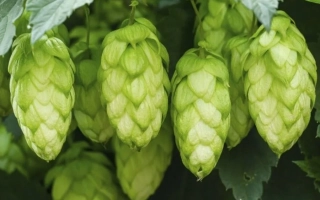
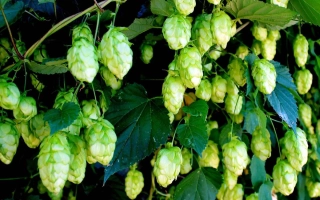
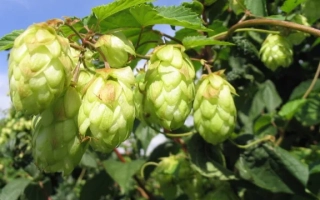
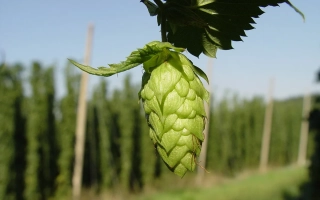
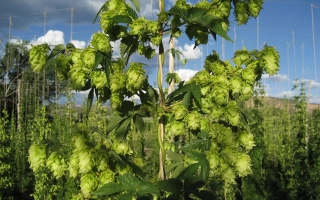
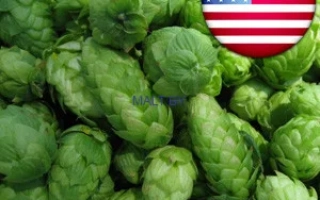
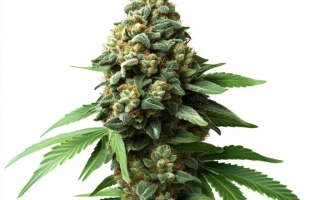
Chinook hops was developed in the USA in 1985 and has since been widely used in both commercial and home brewing. It contains a high level of alpha-acids — around 10-11.1% — making it an excellent choice for adding bitterness during the early or middle of the boil. Additionally, it contains 3-4% beta-acids and cohumulone at 27-31%, which influence the character of bitterness and aromatic properties of hops.
Chinook has a rich and complex aroma with prominent woody, spicy, and pine notes, as well as citrus undertones such as grapefruit and pineapple. These characteristics make it popular for use in American beer styles, such as American Pale Ale and IPA, as well as seasonal ales, dark beers including porter, stout, and barleywine. Fresh batches of beer especially highlight pine and herbal nuances, giving the beverage a unique bouquet.
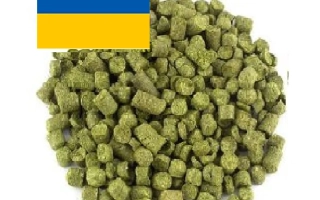
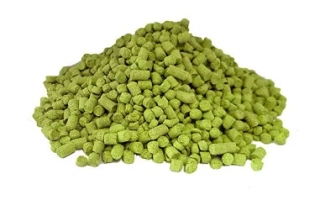
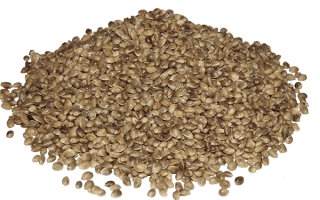
The hop is available in pellet form, which ensures compactness and ease of storage. When packaged in airtight vacuum-sealed packaging, the pellets retain their valuable properties and characteristics for up to three years. Chinook is used not only for bitterness but also for aroma, including dry hopping, which expands its application across various ale and lager styles.