
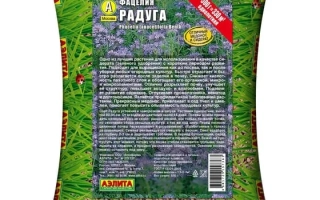

SKU #73540
·
64 views
Natalia
Phacelia
Rossorgo Research InstituteUser rating
0 votes0% positive reviews
No ratings yet — be the first.
Culture Type
Honey plant, Green manure, Forage
Vegetation Period
60-65 days
Sowing Rate (kg/ha)
10-12 kg/ha
Seed planting depth, cm
1.5-2.0 cm
Store offers · 1 from 1 stores
Prices are updated on loadLoading offers…
Available at: Цветок Шоп
Aggregator catalog: prices are collected automatically from store websites, normalized by AI and converted at the current exchange rate. Before ordering, confirm the price and availability on the store's website. This block is not indexed by search engines — the data is loaded after the page opens.
About product

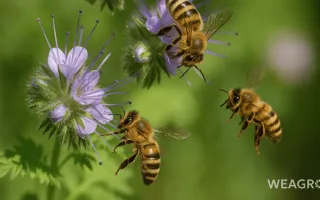
Phacelia variety "Natalia" – an annual nectar-producing plant 70 to 105 cm tall with an erect stem, densely hairy and irregularly round in cross-section. Leaves are heart-shaped, large, juicy, and slightly hairy, while the inflorescence is a spike-like coil about 25 cm long containing oval seeds.The crop is characterized by high nectar productivity: under optimal conditions it can yield 180 to 500…
Culture Type
Honey plant, Green manure, Forage
Vegetation Period
60-65 days
Sowing Rate (kg/ha)
10-12 kg/ha
Seed planting depth, cm
1.5-2.0 cm
Description
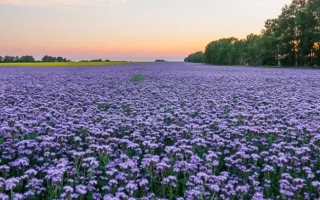
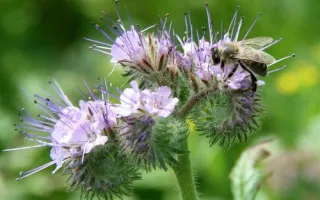
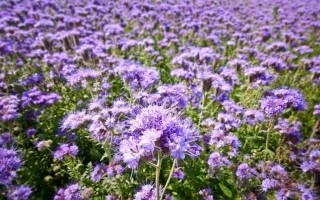
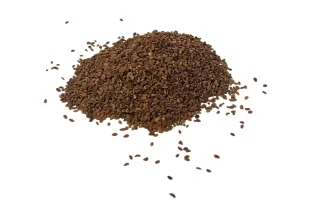
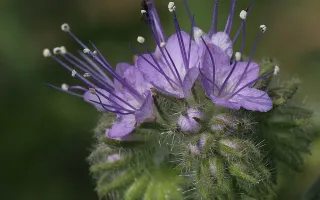
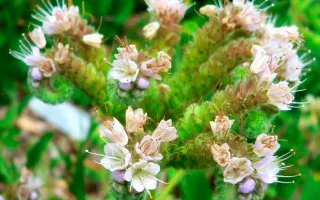
Phacelia variety "Natalia" – an annual nectar-producing plant 70 to 105 cm tall with an erect stem, densely hairy and irregularly round in cross-section. Leaves are heart-shaped, large, juicy, and slightly hairy, while the inflorescence is a spike-like coil about 25 cm long containing oval seeds.
The crop is characterized by high nectar productivity: under optimal conditions it can yield 180 to 500 kg of honey per hectare. Green biomass yield is 144–180 c/ha, and seed yield is 5.9–7.0 c/ha. The vegetative period lasts 54–62 days to the first cut and 91–96 days to full seed maturity. Phacelia is drought- and frost-resistant, unaffected by diseases and pests, making it a reliable choice for open ground.
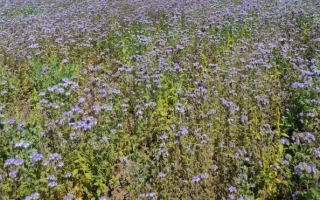
The variety is widely used as a green manure and green fertilizer: when sown on any soil, it loosens the structure, enriches it with organic matter, nitrogen, and potassium, improving fertility. Additionally, phacelia suppresses weed growth, reduces wireworm larva numbers, and can inhibit nematode development. For planting, a depth of 1.5–2 cm, row spacing of 45 cm, and 15 cm within rows are recommended, with a sowing rate of 10–12 kg/ha (25–30% less when interseeded with alfalfa). After flowering, the plant can be dug up and re-sown, allowing it to be used as a forage and nectar-producing crop throughout the season.
Plant care is simple: 1–2 top-dressings with complex fertilizers, weed control and loosening in the first few weeks after germination, and watering when the soil dries out. Seed collection is performed at 50–70% browning of the coils, and storage is done at a thickness of 20–40 cm. Multiple sowings are possible per year – early spring (around April 20–25), mid-June, early September, and November sowings (November 10–15).
The crop is characterized by high nectar productivity: under optimal conditions it can yield 180 to 500 kg of honey per hectare. Green biomass yield is 144–180 c/ha, and seed yield is 5.9–7.0 c/ha. The vegetative period lasts 54–62 days to the first cut and 91–96 days to full seed maturity. Phacelia is drought- and frost-resistant, unaffected by diseases and pests, making it a reliable choice for open ground.
The variety is widely used as a green manure and green fertilizer: when sown on any soil, it loosens the structure, enriches it with organic matter, nitrogen, and potassium, improving fertility. Additionally, phacelia suppresses weed growth, reduces wireworm larva numbers, and can inhibit nematode development. For planting, a depth of 1.5–2 cm, row spacing of 45 cm, and 15 cm within rows are recommended, with a sowing rate of 10–12 kg/ha (25–30% less when interseeded with alfalfa). After flowering, the plant can be dug up and re-sown, allowing it to be used as a forage and nectar-producing crop throughout the season.
Plant care is simple: 1–2 top-dressings with complex fertilizers, weed control and loosening in the first few weeks after germination, and watering when the soil dries out. Seed collection is performed at 50–70% browning of the coils, and storage is done at a thickness of 20–40 cm. Multiple sowings are possible per year – early spring (around April 20–25), mid-June, early September, and November sowings (November 10–15).
Crop & resistance
Crop
Pest resistance
Specifications
| Culture Type | |
|---|---|
| Vegetation Period | 60-65 days |
| Sowing Rate (kg/ha) | 10-12 kg/ha |
| Seed planting depth, cm | 1.5-2.0 cm |
| Assignment | |
| Registration year | 2009 |
| Catalog | Catalog → Phacelia |
| Manufacturer | Rossorgo Research Institute |
| Legal data |
Show · 8
|
| Country | Russia |
Not yet комментариев. Be the first!




See also
Often considered together with this variety


Recently viewed
Products you’ve viewed on this site
Reviews · 0