
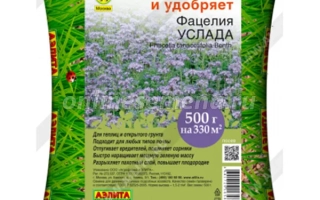

SKU #73532
·
60 views
MEDUNITSA
Phacelia
Rossorgo Research InstituteUser rating
0 votes0% positive reviews
No ratings yet — be the first.
Culture Type
Honey plant, Green manure
Sowing Rate (kg/ha)
10-12 kg/ha
Seed planting depth, cm
1.5-2.0 cm
Assignment
Honeycomb for Bees, Soil conditioner
Prices in stores
from3.63 €per 1 kg
pack from 3.63 € per 1 kg
1 offer from 1 store
Store offers · 1 from 1 stores
Prices are updated on loadLoading offers…
Available at: Medoprom · pchelosad.com.ua
Aggregator catalog: prices are collected automatically from store websites, normalized by AI and converted at the current exchange rate. Before ordering, confirm the price and availability on the store's website. This block is not indexed by search engines — the data is loaded after the page opens.
About product

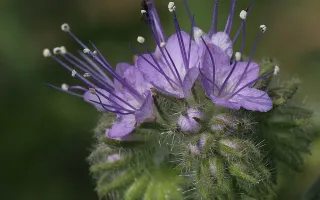
Phacelia tanacetifolia «Medunitsa» (Phacelia tanacetifolia Benth.) – an annual herbaceous plant 50–80 cm tall, valued for its blue whorls. Each whorl may contain 40 to 70 flowers, and the total number of whorls on the plant varies from six to fifteen. Thanks to its bright appearance and high attractiveness to bees, «Medunitsa» serves as an excellent nectar-producing plant, attracting pollinators a…
Culture Type
Honey plant, Green manure
Sowing Rate (kg/ha)
10-12 kg/ha
Seed planting depth, cm
1.5-2.0 cm
Assignment
Honeycomb for Bees, Soil conditioner
Description
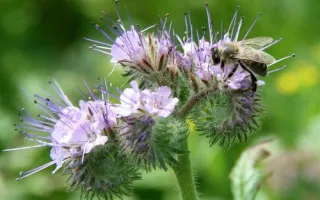
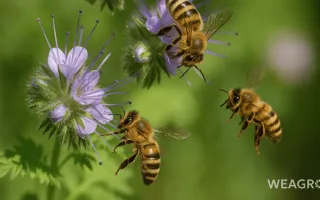
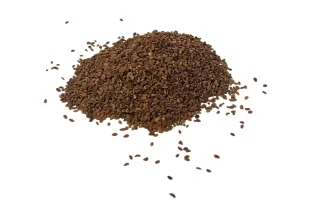
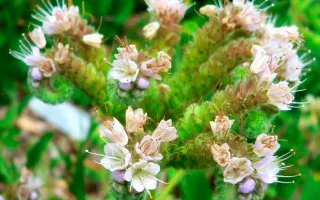
Phacelia tanacetifolia «Medunitsa» (Phacelia tanacetifolia Benth.) – an annual herbaceous plant 50–80 cm tall, valued for its blue whorls. Each whorl may contain 40 to 70 flowers, and the total number of whorls on the plant varies from six to fifteen. Thanks to its bright appearance and high attractiveness to bees, «Medunitsa» serves as an excellent nectar-producing plant, attracting pollinators and ensuring a good nectar yield.
The cultivation of the plant is simple: seedlings appear 10–15 days after sowing, and flowering occurs as early as 30–35 days. The plant withstands frosts down to –5 °C and grows on any soil types, but it is especially effective at loosening and structuring clayey soils, turning them into light, air-rich substrates. The sowing rate is 10–12 kg/ha (or 1–1.2 g/m²), and sowing depth should not exceed 1.5–2 cm.
«Medunitsa» has wide applications: in apiculture as a nectar-producing crop, in agriculture and ecological farming as a green manure, and in landscape design for creating flowering fields. The plant is undemanding, disease-resistant, and does not require special care, making it a convenient choice for farmers and gardeners seeking to improve soil structure and enhance biodiversity on the site.
The cultivation of the plant is simple: seedlings appear 10–15 days after sowing, and flowering occurs as early as 30–35 days. The plant withstands frosts down to –5 °C and grows on any soil types, but it is especially effective at loosening and structuring clayey soils, turning them into light, air-rich substrates. The sowing rate is 10–12 kg/ha (or 1–1.2 g/m²), and sowing depth should not exceed 1.5–2 cm.
«Medunitsa» has wide applications: in apiculture as a nectar-producing crop, in agriculture and ecological farming as a green manure, and in landscape design for creating flowering fields. The plant is undemanding, disease-resistant, and does not require special care, making it a convenient choice for farmers and gardeners seeking to improve soil structure and enhance biodiversity on the site.
Crop & resistance
Crop
Specifications
| Culture Type | |
|---|---|
| Sowing Rate (kg/ha) | 10-12 kg/ha |
| Seed planting depth, cm | 1.5-2.0 cm |
| Assignment | |
| Flower Color | |
| Registration year | 2024 |
| Catalog | Catalog → Phacelia |
| Manufacturer | Rossorgo Research Institute |
| Legal data | |
| Country | Russia |
Not yet комментариев. Be the first!






See also
Often considered together with this variety



Recently viewed
Products you’ve viewed on this site
Reviews · 0