


Prices in stores
from4.33 €per 1 kg
pack from 4.33 € per 1 kg
2 offers from 2 stores
Culture Type
Green manure
Vegetation Period
40-45 days
Seed planting depth, cm
2,0-2,5 cm
Purpose
Weed Suppression, Soil conditioner, Honey plant for bees
Your mark
0 votes
0% positive ratings
Store offers · 2 from 2 stores
2 offers in 2 stores — from 4.33 € per 1 kg.
Available at: Аэлита · Ukrtrav
Prices are collected automatically from store websites and converted at the current exchange rate. Check the price and availability on the store website before ordering.
Description
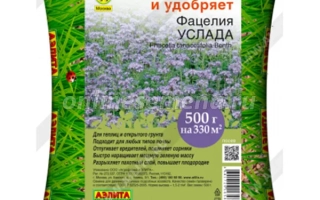
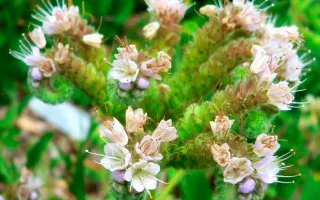
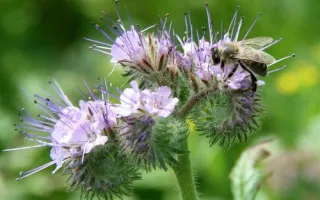
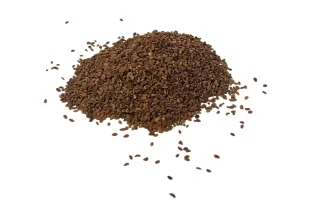
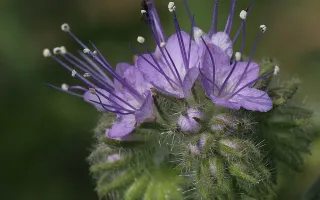
Phacelia "Rainbow" is an annual herbaceous plant that grows and decomposes quickly, making it an ideal cover crop and green fertilizer. Seeds germinate within a week in dry weather and within 10–14 days in rainy weather, after which the plant quickly covers the soil, improving its structure, air and water exchange, and reducing acidity. Thanks to its shallow root system, phacelia does not tolerate waterlogging but withstands drought and heat well, remaining unpretentious even in cold conditions.
One of the key advantages of "Rainbow" is its ability to suppress the development of weeds, wireworm, nematodes, and various pests. Phacelia releases phytoncides that inhibit fungal and bacterial infections, and attracts predatory insects – larvae, hoverflies (syrphids), and aphidius wasps, which destroy aphids and other pests. This makes the plant a valuable element of biological protection in potato rows, gardens infested with aphids, and in the fight against berry plant bugs.
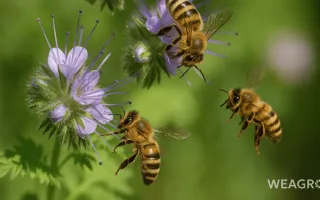
Furthermore, phacelia is renowned for its high nectar productivity: nectar can reach 300–600 kg/ga, and under favorable conditions – up to 1000 kg. Flowering begins approximately 45 days after sowing and lasts from two to three months, providing bees and bumblebees with a rich source of nectar and pollen. For maximum efficiency, wide-row sowing with 45–60 cm row spacing is recommended, seed planting depth – 2–2.5 cm (up to 3 cm in dry soil), and sowing rate – 5–6 kg/ga.
Thus, phacelia "Rainbow" combines the functions of a cover crop, biological protection, and nectar-producing plant, improving soil quality, increasing crop yields, and supporting garden biodiversity.
One of the key advantages of "Rainbow" is its ability to suppress the development of weeds, wireworm, nematodes, and various pests. Phacelia releases phytoncides that inhibit fungal and bacterial infections, and attracts predatory insects – larvae, hoverflies (syrphids), and aphidius wasps, which destroy aphids and other pests. This makes the plant a valuable element of biological protection in potato rows, gardens infested with aphids, and in the fight against berry plant bugs.
Furthermore, phacelia is renowned for its high nectar productivity: nectar can reach 300–600 kg/ga, and under favorable conditions – up to 1000 kg. Flowering begins approximately 45 days after sowing and lasts from two to three months, providing bees and bumblebees with a rich source of nectar and pollen. For maximum efficiency, wide-row sowing with 45–60 cm row spacing is recommended, seed planting depth – 2–2.5 cm (up to 3 cm in dry soil), and sowing rate – 5–6 kg/ga.
Thus, phacelia "Rainbow" combines the functions of a cover crop, biological protection, and nectar-producing plant, improving soil quality, increasing crop yields, and supporting garden biodiversity.
Video · 1 video
Suggest a video →Crop & resistance
Crop
Pest resistance
Specifications
| Culture Type | |
|---|---|
| Vegetation Period | 40-45 days |
| Seed planting depth, cm | 2,0-2,5 cm |
| Purpose | |
| Registration year | 2009 |
| Catalog | Catalog → Phacelia |
| Manufacturer | Nauchno-proizvodstvennaya firma Rossiyskiye Semena |
| Legal data |
Show · 7
|
| Country | Russia |
No reviews yet. Be the first to share your experience.






See also
Often considered together with this variety



Recently viewed
Products you’ve viewed on this site
Reviews