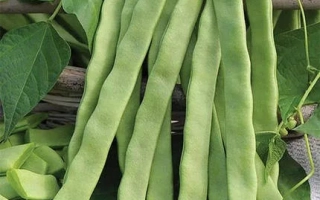
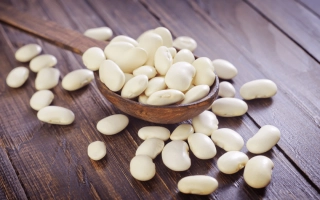
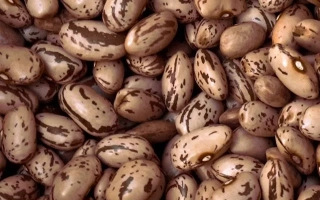
Paulista bean is a medium-maturing bush-type variety with an upright plant habit. The plant height ranges from 40 to 70 cm, leaves are dark green, and flowers are large and white. Pods are straight, 12–14 cm long and about 8–9 mm in diameter, dark green or moderately green in color, with a shiny surface. A key feature is the absence of parchment layer and fibers in the beans, which improves their taste, as well as high sugar content in the pods. The 1000-seed weight is about 285 g, and the market yield reaches 2.8 kg per square meter.
The Paulista variety is resistant to several diseases, including common bean mosaic virus, anthracnose, and bacterial blight, which contributes to stable and high yields. The maturity period is approximately 62 days, making it medium-maturing. The plant is suitable for cultivation both in open ground and in greenhouses, expanding its cultivation possibilities under various climatic conditions.
For planting Paulista beans, it is recommended to choose a period after the threat of late frosts; in the middle zone, this is usually the second half of May. The optimal temperature for active growth is 20–25 °C, with seedlings emerging even at soil temperatures of 10–12 °C. Sowing is done in rows up to 5 cm deep, with seeds spaced about 10 cm apart and rows 40–60 cm apart. The first seedlings emerge 7–10 days after sowing. This variety is excellent for culinary use, as well as for canning and freezing.