


SKU #57416
·
24 views
URVANSKAYA BELAYA
Corn
User rating
0 votes0% positive reviews
No ratings yet — be the first.
Ripening
Mid-late maturity
Hybrid Type
Variety (population)
Kernel Type
Semi-siliceous, White
Use Direction
Grain, Groats, Food Products
About product

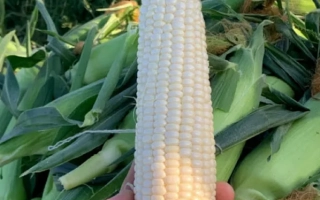
URVANSKAYA BELAYA — a medium-late maize (Zea mays L.) variety, characterized by a tall plant and very long ear. The kernels are semi-creamy with white coloring on the upper part, which gives products made from grit and flour high taste qualities. The variety is distinguished by increased protein content in the kernels, making it especially valuable for food purposes. The average grain yield is 46.…
Ripening
Mid-late maturity
Hybrid Type
Variety (population)
Kernel Type
Semi-siliceous, White
Use Direction
Grain, Groats, Food Products
Description
URVANSKAYA BELAYA — a medium-late maize (Zea mays L.) variety, characterized by a tall plant and very long ear. The kernels are semi-creamy with white coloring on the upper part, which gives products made from grit and flour high taste qualities. The variety is distinguished by increased protein content in the kernels, making it especially valuable for food purposes. The average grain yield is 46.4 centners per hectare, meeting the standards of the growing region.
The plant exhibits resistance to diseases such as powdery mildew, bacterial blight, and ear fusarium, with mild infection observed. The maize tassel has a medium angle between the main axis and lateral branches, with lateral branches curved, and the anthocyanin coloration of the silk and ear stalk is absent, which is a characteristic feature of this variety.
White maize URVANSKAYA BELAYA contains a high amount of easily digestible protein, sugars, and important microelements — calcium, magnesium, chromium, sulfur, and vitamins. The kernels of this variety are softer and juicier, making them a beneficial product for people who do not consume animal protein, as well as for children, allergy sufferers, and individuals with digestive tract disorders. Due to its nutritional and beneficial properties, this variety is gaining increasing popularity and holds leading positions in the market.
The plant exhibits resistance to diseases such as powdery mildew, bacterial blight, and ear fusarium, with mild infection observed. The maize tassel has a medium angle between the main axis and lateral branches, with lateral branches curved, and the anthocyanin coloration of the silk and ear stalk is absent, which is a characteristic feature of this variety.
White maize URVANSKAYA BELAYA contains a high amount of easily digestible protein, sugars, and important microelements — calcium, magnesium, chromium, sulfur, and vitamins. The kernels of this variety are softer and juicier, making them a beneficial product for people who do not consume animal protein, as well as for children, allergy sufferers, and individuals with digestive tract disorders. Due to its nutritional and beneficial properties, this variety is gaining increasing popularity and holds leading positions in the market.
Crop & resistance
Crop
Disease resistance
Specifications hover over for a hint about the specification
| Ripening | Mid-late maturity |
|---|---|
| Hybrid Type | |
|
Kernel Type
Kernel Type
Dent corn (Zea mays indentata) — Large, elongated, flat kernels. The endosperm is horny on the sides of the kernel, mealy in the center and at the top. A depression forms at the top of the kernel upon ripening. Dent corn is the most widely cultivated group among others. Plants ty... |
|
|
Use Direction
Use Direction
Dual-purpose hybrids: for silage and grain in all growing regions. These are "stay-green" type hybrids, meaning the plants remain green for a longer period. However, this does not affect the sugar, cellulose, and hemicellulose content, nor the degree of lignification of the plant... |
|
| Registration year | 1999 |
| Catalog | Catalog → Corn |
| Legal data |
Show · 5
|
| Country | Russia |
Store offers
Prices are updated on loadLoading offers…
Aggregator catalog: prices are collected automatically from store websites, normalized by AI and converted at the current exchange rate. Before ordering, confirm the price and availability on the store's website. This block is not indexed by search engines — the data is loaded after the page opens.
Not yet комментариев. Be the first!
Alternatives
Maize seeds · similar varieties






See also
Often considered together with this variety





Recently viewed
Products you’ve viewed on this site
Reviews · 0