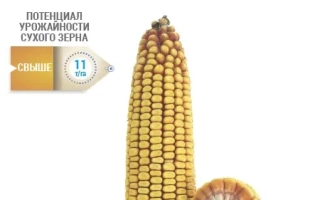
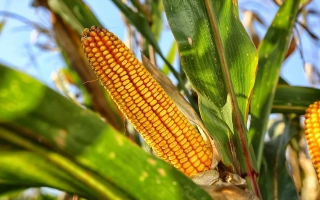
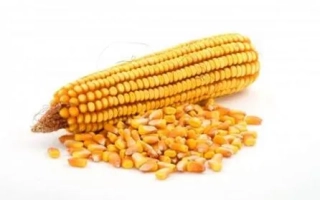
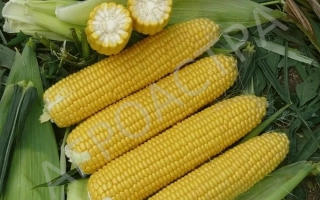
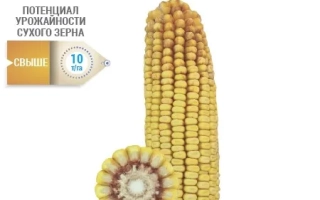
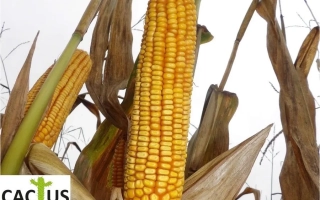
Corn T 137 is a valuable agricultural crop widely used for both food and feed purposes. Corn stalks serve as excellent animal feed due to their high vitamin content, which helps reduce the risk of various diseases. Corn is among the three most important agricultural crops in the world and is used for producing cornmeal and other products. Although corn originated in America, active efforts are underway in Ukraine to increase its yield and improve cultivation conditions. Successful cultivation of corn T 137 requires a moderate or tropical climate, as the plant is sensitive to low temperatures, frost, and excessive moisture. Fighting weeds, pests, and diseases, as well as protecting against climatic stresses, is crucial. Hybrid T 137 is characterized by high yield and resistance to adverse environmental conditions. It demonstrates resistance to drought, heat, and diseases such as rust. Additionally, this variety is resistant to pests, such as corn borer, and lodging, ensuring a stable yield even under challenging climatic conditions. The potential yield of this hybrid reaches high levels, making it attractive for cultivation in various regions. Growing corn T 137 requires adherence to agronomic practices aimed at maintaining plant health and maximizing yield. Special attention is paid to timely soil preparation, weed control, and protection against pests and diseases. Due to its characteristics, this hybrid is suitable for use in diverse agroclimatic zones, ensuring stable production of high-quality raw material for the food industry and feed base.