

SKU #57207
·
27 views
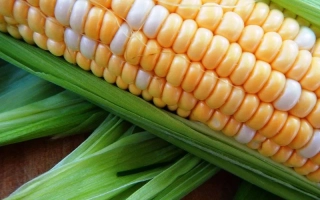
ROS-MOLD 159 SV
Corn
OOO 'SEMENA ROSSII'User rating
0 votes0% positive reviews
No ratings yet — be the first.
Ripening
Mid-early ripening, Later
Hybrid Type
Hybrid
Kernel Type
Yellow dent, Yellow-Orange
Use Direction
Grain
About product

A reliable mid-early hybrid with high immunity to fungal diseases for high-quality commercial grain production.
Ripening
Mid-early ripening, Later
Hybrid Type
Hybrid
Kernel Type
Yellow dent, Yellow-Orange
Use Direction
Grain
Description
Focus on Stability and Crop Phytosanitary Quality
When selecting a corn hybrid for commercial grain production, farmers often face a dilemma: choose high yield potential or reliable disease protection. «ROSMOLD 159 SV» from «Ooo Semena Rossii» is an ideal solution for those who prioritize minimizing grain quality loss risks directly in the field.
Agronomic Advantages
This dent-type hybrid with bright yellow grain is intended exclusively for commercial grain production. Its breeding foundation, developed by the «Porumbeni» Institute with the participation of leading plant breeders, focuses on the physical strength of the plant. In environments with high disease pressure, «ROSMOLD 159 SV» demonstrates significant resistance to:
- Fungal diseases (Fusarium, boil smut, stalk rot).
- Bacteriosis, which often causes lodging.
- European corn borer damage, which indirectly reduces the risk of secondary fungal infections.
Practical Application in Farming
The hybrid belongs to the mid-early maturity group but exhibits flexibility in maturation timing, allowing for efficient harvest scheduling. Integrating «ROSMOLD 159 SV» into crop rotation is especially beneficial in regions where obtaining dry, high-quality grain by the time of mass harvest is critical to avoid additional drying costs. Using this hybrid helps reduce the number of fungicide applications, as the genetic base is specifically tuned to resist major pathogens. This makes «ROSMOLD 159 SV» a rational choice for operations aiming to reduce the cost per ton of grain by saving on chemical inputs and post-harvest processing.
Crop & resistance
Crop
Disease resistance
Pest resistance
Specifications hover over for a hint about the specification
| Ripening | Mid-early ripening, Later |
|---|---|
| Hybrid Type | |
|
Kernel Type
Kernel Type
Dent corn (Zea mays indentata) — Large, elongated, flat kernels. The endosperm is horny on the sides of the kernel, mealy in the center and at the top. A depression forms at the top of the kernel upon ripening. Dent corn is the most widely cultivated group among others. Plants ty... |
|
|
Use Direction
Use Direction
Dual-purpose hybrids: for silage and grain in all growing regions. These are "stay-green" type hybrids, meaning the plants remain green for a longer period. However, this does not affect the sugar, cellulose, and hemicellulose content, nor the degree of lignification of the plant... |
|
| Registration year | 2012 |
| Catalog | Catalog → Corn |
| Manufacturer | OOO 'SEMENA ROSSII' |
| Legal data |
Show · 17
|
| Country | Russia |
Store offers
Prices are updated on loadLoading offers…
Aggregator catalog: prices are collected automatically from store websites, normalized by AI and converted at the current exchange rate. Before ordering, confirm the price and availability on the store's website. This block is not indexed by search engines — the data is loaded after the page opens.
Not yet комментариев. Be the first!
Alternatives
Maize seeds · similar varieties




See also
Often considered together with this variety







Recently viewed
Products you’ve viewed on this site
Reviews · 0