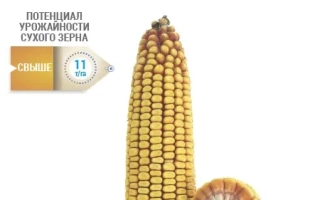
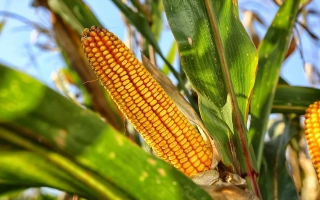
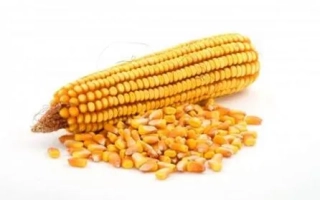
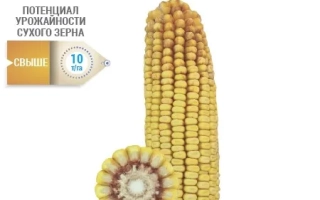
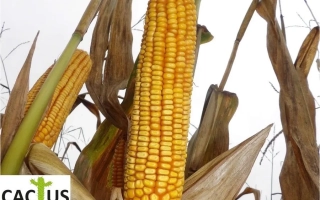
L 138 — a corn hybrid intended for grain production and characterized by high yield and stability under various climatic conditions. This mid-early maturity hybrid belongs to the FAO group 280-310 and is suitable for cultivation using both intensive and extensive technologies. Plants reach a height of approximately 290-300 cm, with ears positioned at 100-110 cm, containing 14-16 rows of dent kernels with a 100-kernel weight of 300-310 g. The grain has a high starch content, making it valuable for the food industry and animal feed.
Hybrid L 138 exhibits high resistance to major corn diseases such as helminthosporiosis and common rust, and demonstrates excellent drought and heat tolerance. It shows remarkable cold resistance and does not suffer physiological changes during sudden temperature drops, allowing its use for early planting. Thanks to its high remontancy and effective water release after physiological maturity, this hybrid adapts well to various soil-climatic conditions, including sandy soils, forest-steppe, and peatland zones.
The optimal planting density for L 138 is 60-85 thousand plants per hectare, depending on soil moisture levels. The hybrid is suitable for cultivation in various regions, including southern steppes, northern steppes, forest-steppe, and peatlands, and can be used for both grain production and feed purposes, including silage and starch raw material. High yield and resistance to adverse factors make L 138 a profitable choice for agricultural producers.