
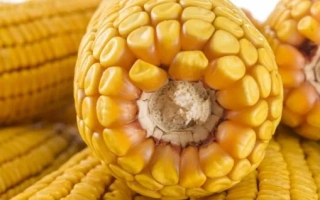


SKU #57070
·
38 views
IRONDELL
Corn
RAGTUser rating
0 votes0% positive reviews
No ratings yet — be the first.
Ripening
Mid-early ripening
Hybrid Type
Three-line hybrid
Use Direction
Grain, Food
Registration year
2013
About product

French-bred hybrid featuring a pronounced heterosis effect for reliable grain and silage production.
Ripening
Mid-early ripening
Hybrid Type
Three-line hybrid
Use Direction
Grain, Food
Registration year
2013
Description
Genetic Potential and Yield Efficiency
The «Irondelle» maize hybrid from the French breeder RAGT serves as a prime example of a highly efficient three-way cross hybrid. Its architecture is engineered to combine high adaptability with yield stability, making it an essential asset for growers focused on both grain production and high-quality livestock feed.
Technical Biological Characteristics
The medium-early maturity of «Irondelle» provides an optimal balance between the vegetation period and dry matter accumulation. The three-way cross breeding scheme, developed by the originator Societe Ragt 2N S.A.S, grants the hybrid a pronounced heterosis effect. In field conditions, this translates into:
- High crop uniformity, facilitating precise combine harvester settings during the harvest season.
- Stable resistance to pathogens, specifically high tolerance against stem smut.
- Vigorous early growth, allowing the plant to rapidly progress through critical development phases despite spring temperature fluctuations.
Agronomic Application
«Irondelle» is particularly suited for regions requiring reliable performance under temperate climate conditions. The hybrid exhibits excellent moisture release characteristics, significantly reducing post-harvest grain drying costs. The robust root system and stalk integrity help minimize lodging losses, even when harvesting is delayed, ensuring that the yield potential is maintained until the grain reaches the bunker.
Crop & resistance
Crop
Disease resistance
Specifications hover over for a hint about the specification
| Ripening | Mid-early ripening |
|---|---|
| Hybrid Type | |
|
Use Direction
Use Direction
Dual-purpose hybrids: for silage and grain in all growing regions. These are "stay-green" type hybrids, meaning the plants remain green for a longer period. However, this does not affect the sugar, cellulose, and hemicellulose content, nor the degree of lignification of the plant... |
|
| Registration year | 2013 |
| Catalog | Catalog → Corn |
| Manufacturer | RAGT |
| Legal data |
Show · 1
|
| Country | France |
Store offers
Prices are updated on loadLoading offers…
Aggregator catalog: prices are collected automatically from store websites, normalized by AI and converted at the current exchange rate. Before ordering, confirm the price and availability on the store's website. This block is not indexed by search engines — the data is loaded after the page opens.
Not yet комментариев. Be the first!
Alternatives
Maize seeds · similar varieties



See also
Often considered together with this variety







Recently viewed
Products you’ve viewed on this site
Reviews · 0