The Sofiyevsky garlic variety is a high-yielding winter type developed in the 1990s by the Uman State Agricultural Academy. It is distinguished by high resistance to extreme temperatures, tolerating frosts down to -35°C and heat up to +45°C, allowing cultivation in various climatic conditions. This variety is a flowering type, with plants reaching up to 110 cm in height with a scape and up to 70 cm without one. The vegetation period lasts 105-110 days, with harvest occurring in mid-summer.
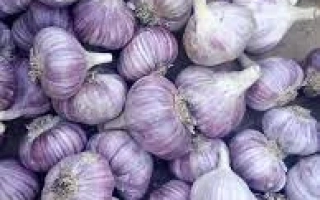
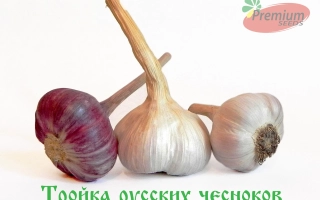
Sofiyevsky garlic bulbs have a broad elliptical shape with a slight upward curve and weigh between 54 to 105 grams when dried, sometimes reaching 125-145 grams. They consist of 5-6 large, compact cloves, sometimes up to 9 cloves. The dry skin is light purple with dark lilac veins. Flavor characteristics are rated at 8 out of 10 spiciness, making this variety particularly suitable for canning, where flavor remains unchanged.
The Sofiyevsky variety exhibits high resistance to Fusarium, fungal diseases, and pests, reducing the need for chemical treatments and ensuring an ecologically clean harvest. Yield reaches approximately 9.2 tons of marketable garlic per hectare without chemical use. Due to its stable growth and good yield, this variety is recommended for both novice gardeners and experienced growers for cultivation in open fields and greenhouses.