


SKU #46280
·
141 views
Lutowka
Cherry, Sour Cherry
LLC «Bakhmutskyi Rozsadnyk»User rating
0 votes0% positive reviews
No ratings yet — be the first.
Ripening Period
Late (July – August)
Fruit Color
Dark Red, Maroon
Fruit Size
Large (6–8 g), Medium (4–6 g)
Flavor
Sour-sweet
Store offers · 4 from 4 stores
Prices are updated on loadLoading offers…
Available at: Florium · Greendecor · Greensad · Квіти Буковини · Posadka · Сади Буковини · Семена Буковины · Все Росте
Aggregator catalog: prices are collected automatically from store websites, normalized by AI and converted at the current exchange rate. Before ordering, confirm the price and availability on the store's website. This block is not indexed by search engines — the data is loaded after the page opens.
About product

Cherry variety Lutowka is a self-fertile medium-sized tree with a broad, rounded crown and moderate branch density. The mature tree reaches a height of 2.5 to 3.5 meters, facilitating care and harvesting. Leaves are oval-shaped with a pointed tip, bright green with a slight glossy sheen, forming dense foliage that enhances the tree's decorative appearance. Flowering occurs late, typically in May,…
Ripening Period
Late (July – August)
Fruit Color
Dark Red, Maroon
Fruit Size
Large (6–8 g), Medium (4–6 g)
Flavor
Sour-sweet
Description
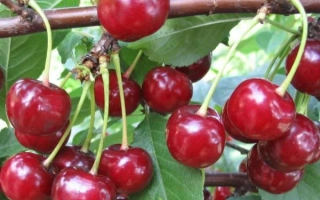
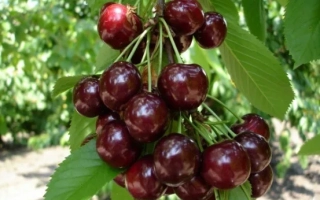
Cherry variety Lutowka is a self-fertile medium-sized tree with a broad, rounded crown and moderate branch density. The mature tree reaches a height of 2.5 to 3.5 meters, facilitating care and harvesting. Leaves are oval-shaped with a pointed tip, bright green with a slight glossy sheen, forming dense foliage that enhances the tree's decorative appearance. Flowering occurs late, typically in May, with medium-sized white flowers arranged in clusters of 3-4 blooms, promoting good pollination and fruit set. Lutowka's fruits are large, round or slightly elongated, with a dark red, almost burgundy skin featuring a distinctive gloss. The flesh is firm, juicy, tart-sweet, deep red in color, and has a pleasant cherry aroma. Average fruit weight varies from 3.5-4 grams to 7-9 grams depending on growing conditions. The stone is oval-shaped, easily separates from the flesh, and constitutes about 7-9% of the fruit's weight. Fruits are borne in clusters of 3-4, do not drop off upon full ripening, and withstand transportation well. The fruits are versatile: suitable for fresh consumption as well as for making jams, jellies, compotes, and juices. Variety Lutowka is characterized by high and stable yields, beginning to bear fruit from the 2nd to 3rd year after planting. Fruit ripening occurs at the end of July to early August in northern regions, and as early as late June in southern areas. The tree exhibits good cold hardiness and resistance to typical winter conditions, although severe frosts may cause frost damage. The variety has moderate resistance to fungal diseases such as coccomyces and moniliosis, thus requiring regular preventive treatments. Fruits contain vitamins A, B, C, PP, E, H, as well as microelements and organic acids, which contribute to immune strengthening and make Lutowka a valuable variety for private and commercial orchards.
Specifications hover over for a hint about the specification
|
Ripening Period
Ripening Period
It takes 70-100 days until pepper reaches flowering stage, 130-160 days until technical fruit ripeness, and 135-180 days until physiological ripeness. |
Late (July – August) |
|---|---|
| Fruit Color | |
| Fruit Size | Large (6–8 g), Medium (4–6 g) |
| Flavor | |
| Flesh Firmness | |
| Core | |
| Disease Resistance | |
|
Yield
Yield
Overall bulb harvest per unit area. Depends on both onion variety characteristics and agronomic practices, fertilizers, and irrigation. Under optimal growing conditions, an onion yield of 100 tons per hectare and above is not considered record-breaking. |
High (25–40 kg) |
| Tree Growth Power | |
| Assignment | |
| Features | |
| Registration year | 2022 |
| Catalog | Catalog → Cherry, Sour Cherry |
| Manufacturer | LLC «Bakhmutskyi Rozsadnyk» |
| Country | Ukraine |
Not yet комментариев. Be the first!
Alternatives
Cherry saplings · similar varieties


See also
Often considered together with this variety




Recently viewed
Products you’ve viewed on this site
Reviews · 0