
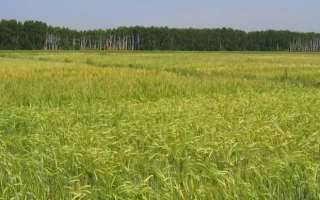

SKU #37730
·
65 views
Barley Evolution
Barley
Prices in stores
No offers yet — stores have not added prices for this product yet.
Similar varieties with prices
-
AvangardLLC "BVS+"
from 2.68 €за л
-
 Unbreakable
from 6.06 €
Unbreakable
from 6.06 €
-
 Rusyn
from 395.44 €
Rusyn
from 395.44 €
-
 KryazhLLC "BVS+"
from 9 €
KryazhLLC "BVS+"
from 9 €
Plant Type
Winter Barley
Registration year
2023
Your mark
0 votes
0% positive ratings
About product
A reliable choice for stable yields in changing climatic conditions.
Description
Flexibility and Yield Potential
The winter barley variety "Evolution," developed by the Plant Breeding and Genetics Institute (Odesa), is designed for farms operating under unpredictable weather conditions. The primary goal of this variety is to ensure a reliable output in diverse environments, from arid southern regions to more stable agricultural zones.
Field Application Scenarios
- Risk Management: High frost tolerance and adaptation to spring temperature fluctuations allow for stable performance even in volatile climates.
- Optimizing Harvest Logistics: With its relatively early maturity, "Evolution" helps agronomists manage harvesting equipment more efficiently, completing barley operations before the main wheat harvest begins.
- Intensive Cultivation: The variety shows excellent responsiveness to nitrogen fertilizers. It is ideal for farmers who employ precision farming to maximize yield through targeted nutrition.
Practical Agrotechnical Benefits
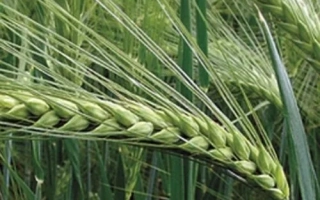
"Evolution" features strong tillering, which allows for lower seeding rates without sacrificing the required stand density. This practice directly reduces input costs. The variety is characterized by sturdy stalks, significantly lowering the risk of lodging even when high fertilizer rates are applied. Its natural resistance to common fungal diseases, such as powdery mildew and spot blotch, simplifies pest management programs, often allowing for standard fungicide applications rather than requiring emergency field treatments. For producers, this means a balanced cost-to-profit ratio and a predictable, high-quality yield.
Crop & resistance
Crop
Specifications
| Plant Type | |
|---|---|
| Registration year | 2023 |
| Catalog | Catalog → Barley |
| Legal data |
Show · 1
|
| Country | Ukraine |
No reviews yet. Be the first to share your experience.
Alternatives
Barley seeds · similar varieties





See also
Often considered together with this variety






Recently viewed
Products you’ve viewed on this site
Reviews