


Prices in stores
No offers yet — stores have not added prices for this product yet.
Similar varieties with prices
-
YURIY
from 253.05 €
-
 AdalinaSAATZUCHT DONAU GES.M.B.H. & COKG
from 42.08 €
AdalinaSAATZUCHT DONAU GES.M.B.H. & COKG
from 42.08 €
-
 KWS WallaceKWS
from 12.79 €per 1 kg
KWS WallaceKWS
from 12.79 €per 1 kg
-
 NepalDEUTSCHE SAATVEREDELUNG AG
from 2.68 €
NepalDEUTSCHE SAATVEREDELUNG AG
from 2.68 €
Plant Type
Winter Barley
Registration year
2021
Your mark
0 votes
0% positive ratings
Description
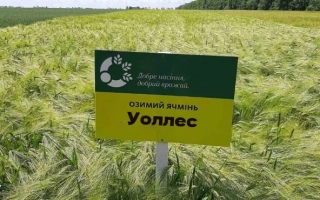
The Viola barley variety is a highly efficient winter crop possessing a range of key agronomic traits that meet modern agricultural requirements. It is characterized by early heading and ripening, which helps avoid the negative effects of high temperatures during grain filling, especially in southern regions. As a result, it produces grain with high thousand-grain weight and excellent quality, contributing to stable and high yields.
Viola exhibits high resistance to lodging, as well as strong stems and spikes, making cultivation more technologically feasible and reducing yield losses. Genetic resistance to barley yellow mosaic virus type 1 (BAYMV-1) provides additional protection for plants during both autumn and spring periods, enhancing the crop's reliability under various climatic conditions.
For sowing the Viola variety, recommended seeding rates vary depending on sowing time and soil fertility: 280–300 seeds per square meter for early sowing on fertile soils, up to 330–350 seeds for late sowing on less fertile soils. The variety was developed based on the experience of breeders from Belarus, Germany, and Poland, confirming its adaptability and high agronomic performance.
Viola exhibits high resistance to lodging, as well as strong stems and spikes, making cultivation more technologically feasible and reducing yield losses. Genetic resistance to barley yellow mosaic virus type 1 (BAYMV-1) provides additional protection for plants during both autumn and spring periods, enhancing the crop's reliability under various climatic conditions.
For sowing the Viola variety, recommended seeding rates vary depending on sowing time and soil fertility: 280–300 seeds per square meter for early sowing on fertile soils, up to 330–350 seeds for late sowing on less fertile soils. The variety was developed based on the experience of breeders from Belarus, Germany, and Poland, confirming its adaptability and high agronomic performance.
Crop & resistance
Crop
Disease resistance
Specifications
| Plant Type | |
|---|---|
| Registration year | 2021 |
| Catalog | Catalog → Barley |
| Manufacturer | DEUTSCHE SAATVEREDELUNG AG |
| Legal data |
Show · 12
|
| Country | Germany |
No reviews yet. Be the first to share your experience.
Alternatives
Barley seeds · similar varieties




See also
Often considered together with this variety






Recently viewed
Products you’ve viewed on this site
Reviews