
Vitivirus
Vitivirus
The Vitivirus genus comprises a group of plant-pathogenic viruses within the Betaflexiviridae family. These viruses, characterized by their filamentous particles containing positive-sense single-stranded RNA, are significant pathogens affecting Vitis vinifera and other grapevine species.
What the section contains
Vitivirus
As obligate parasites, vitiviruses replicate within the phloem tissues of the host plant. They rely on the plant's metabolic machinery to multiply, causing systemic infection that spreads throughout the entire vascular system of the vine.
The primary mode of transmission in vineyards is through insect vectors. Mealybugs and scale insects feed on the phloem sap of infected vines, acquiring the virus and transmitting it to healthy plants during subsequent feeding sessions.
The international and local movement of infected propagation material remains the most critical pathway for the long-distance spread of vitiviruses. Vegetative propagation, including grafting using infected scions or rootstocks, ensures the virus persists in new plantings.
Mechanical transmission also plays a role, albeit secondary compared to vectors. Tools such as shears and saws used during pruning can transfer viral particles if they are not sanitized between plants, facilitating local spread within a vineyard block.
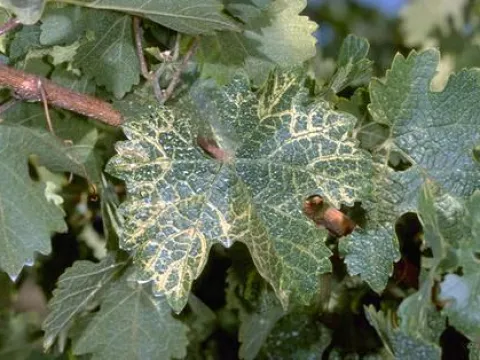
Symptoms of vitivirus infection can be complex and often resemble other physiological disorders. One of the most characteristic signs is the downward rolling of the leaf margins, often accompanied by interveinal chlorosis in white cultivars or reddening in dark-skinned cultivars.
Infected vines frequently exhibit stunted growth, with shortened internodes leading to a smaller canopy size. This reduction in vigor is typically cumulative, worsening over successive years as the virus continues to impair the plant's physiological functions.
Reproductive success is severely compromised. The vines often show poor fruit set, leading to loose, straggly clusters. Furthermore, berries on infected vines tend to ripen unevenly and exhibit significantly lower sugar accumulation, drastically reducing overall fruit quality.
Winter hardiness is another concern for infected vines. Due to impaired carbohydrate translocation, the canes fail to mature properly, making them highly susceptible to low-temperature damage and early frost, which can result in shoot dieback.
It is important to note that many infections remain latent for extended periods. Even in the absence of visible foliage symptoms, the virus may still be actively replicating and causing internal damage, effectively turning the vine into a hidden reservoir of infection.
The economic impact of vitiviruses is substantial, primarily due to the loss of yield and product quality. Reduced sugar levels and poor flavor profile make the fruit unsuitable for premium winemaking and fresh market standards.
Chronic infection leads to the gradual decline of the entire vineyard block. Over time, the cumulative effect of impaired photosynthesis and nutrient transport reduces the lifespan of the vines, necessitating premature replanting of the vineyard.
Infected vines have a diminished ability to withstand environmental stress. Drought, extreme heat, or cold stress are more likely to cause significant mortality in virus-infected plants compared to healthy vines under the same conditions.
The presence of vitivirus can jeopardize the reputation of a nursery or vineyard. In many regions, regulatory protocols require the removal of infected stock, which results in direct financial losses and increased labor costs for sanitation and replanting.
Because there is no "cure" for a vine once it is systemically infected, the damage is essentially permanent. The continuous need for monitoring and management places a long-term burden on vineyard operational budgets.
Preventative measures are the only effective strategy for managing vitiviruses. The use of certified, virus-tested planting material is the gold standard for establishing new vineyards to ensure they start free from infection.
Rigorous management of insect vectors is crucial. Implementing integrated pest management (IPM) programs that target mealybugs and scale insects can significantly reduce the rate of virus transmission within existing vineyards.
Sanitation during pruning and canopy management is essential. All cutting tools must be disinfected between vines using appropriate agents like isopropyl alcohol or sodium hypochlorite to minimize the risk of mechanical transmission.
Rogueing—the systematic identification and removal of infected vines—is necessary to reduce the inoculum pressure in a vineyard. Once a symptomatic vine is identified, it should be removed completely, including roots, and destroyed.
Maintaining high levels of vine health through balanced fertilization, proper irrigation, and adequate canopy management can help plants maintain vigor. While these practices do not eliminate the virus, they support the overall resilience of the vineyard ecosystem.