
Tomato varamin mosaic virus
Tomato varamin
The causative agent is Tomato leaf curl Varamin virus (ToLCVarV), a member of the Geminiviridae family and the Begomovirus genus, containing circular single-stranded DNA.
What the section contains
Tomato varamin mosaic virus
This virus was first isolated in Iran and is known for its high genetic diversity, posing challenges for resistant breeding programs in tomato production.
The primary vector for the transmission of this virus is the whitefly (Bemisia tabaci), which picks up the pathogen while feeding on infected host tissues.
The virus exhibits a persistent-circulative transmission mode, meaning the vector remains infectious for a significant portion of its lifespan after acquisition.
ToLCVarV targets the phloem tissues, effectively disrupting the long-distance transport of photosynthates and disrupting plant metabolism.
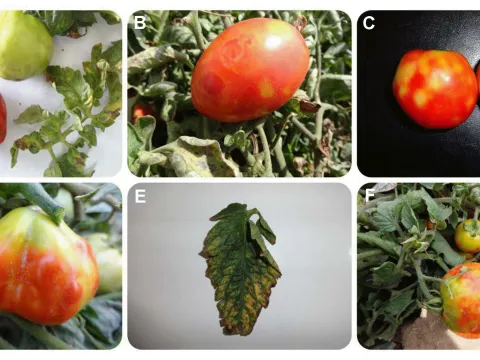
Key symptoms include severe leaf curling, leaf distortion, and a reduction in the size of leaflets, which gives the plant a stunted appearance.
Chlorosis and mosaic patterns often develop on the foliage, signifying poor photosynthesis and overall plant stress under viral infection.
Shortened internodes and overall dwarfism are classic indicators, significantly hindering the vegetative development of the affected tomato plants.
Flower abortion and the formation of small, malformed fruits are frequently observed, resulting in a dramatic loss of marketable yield.
Advanced stages of infection lead to a complete cessation of growth and eventual senescence, rendering the plants unproductive in a commercial setting.
The prevalence of the virus is strictly correlated with the population density of the whitefly vector, which thrives in warm and temperate climates.
High temperatures facilitate faster insect life cycles, leading to explosive outbreaks of the vector during mid-summer and in heated greenhouse facilities.
The presence of alternative host weeds near the production site acts as an inoculum reservoir, sustaining the virus population between cropping seasons.
Inadequate sanitation measures and lack of crop rotation significantly increase the pressure of the virus within intensive agricultural regions.
Environmental stress, such as drought or heat waves, can trigger migrations of whiteflies from surrounding areas into irrigated tomato fields.
Tomato varamin mosaic virus is considered a major economic threat, as there are no chemical treatments available to cure already infected plants.
The disease causes significant quantitative losses, sometimes approaching total crop failure in areas where the vector population is uncontrolled.
Qualitative deterioration is a severe issue, as the fruits produced on infected plants fail to meet market standards for size, shape, and taste quality.
The weakening of the plant's immune system due to viral infection makes it highly susceptible to subsequent opportunistic fungal or bacterial diseases.
Farmers face substantial financial loss from the necessity of rogueing infected plants and implementing intensive vector control measures throughout the cycle.
Effective management begins with aggressive chemical control of the whitefly population using systemic insecticides to break the transmission cycle.
Utilizing physical barriers, such as insect-proof netting in greenhouses, is critical to preventing initial colonization by the vector.
Strict monitoring for early symptoms followed by the immediate removal and destruction of infected plants can limit the spread of the pathogen.
The cultivation of virus-resistant or tolerant tomato varieties is the most sustainable approach to reduce losses in endemic areas.
Maintaining clean fields by removing potential weed reservoirs and utilizing certified virus-free seedlings are fundamental prevention strategies.