
Tomato vein yellowing virus
Ipomovirus lycopersici
Description
Symptoms
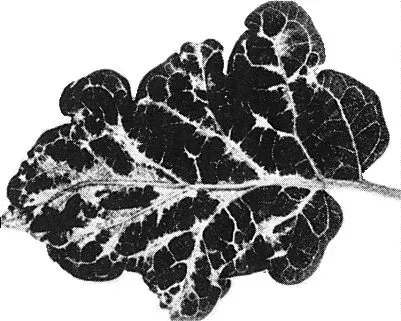
The primary symptom of the disease is the distinct yellowing of leaf veins. Over time, this chlorosis can spread, leading to a general yellowing of the entire leaf tissue.
Plants often exhibit stunted growth and structural deformation. Leaf edges may curl or become irregular, and the overall vigor of the infected tomato plant decreases significantly.
Affected plants show a reduced capacity for fruit production. The fruit that does form is often undersized, deformed, and fails to meet commercial quality standards.
Diagnostic difficulties may arise because symptoms can sometimes mimic nutritional deficiencies, emphasizing the importance of accurate observation and potential laboratory testing.
- Yellowing of leaf veins
- General chlorosis
- Leaf deformation and curling
- Stunted plant development
- Reduced fruit size and quality
Pathogen
Tomato vein yellowing virus (TVYV) is the pathogen causing this disease, belonging to the genus Ipomovirus within the Potyviridae family. It is a single-stranded RNA virus specifically infecting solanaceous crops.
This virus has gained significant attention in greenhouse horticulture due to its ability to spread rapidly in protected environments. It is a specialized pathogen that thrives in intensive cultivation systems.
The virus is primarily transmitted by the greenhouse whitefly (Trialeurodes vaporariorum). Unlike mechanical transmission, this biological vector system is highly efficient and is the main driver of outbreaks.
Once the whitefly feeds on an infected plant, it acquires the virus and becomes capable of transmitting it to healthy plants after a brief incubation period.
The persistent nature of the virus within the insect vector makes it a challenging threat, requiring strict management of the insect population to limit disease spread.
Conditions for development
The development of the disease is highly correlated with the environmental conditions that favor the greenhouse whitefly, specifically high temperatures and moderate-to-high humidity.
Outbreaks are most common during periods of peak whitefly activity, when high insect density leads to rapid and widespread secondary infections across the crop canopy.
The presence of host weeds or debris within or around the greenhouse serves as a continuous reservoir for the virus, ensuring its survival between growing seasons.
Poor ventilation and high planting density create a favorable microclimate for whitefly colonization, which subsequently accelerates the transmission of the virus.
The virus exploits the continuous production cycle in greenhouses, moving from crop to crop if insect vectors are not managed strictly throughout the year.
Why it matters
Tomato vein yellowing virus causes significant economic losses for commercial tomato producers by reducing both the yield volume and the quality of marketable fruit.
Infected plants suffer from disrupted photosynthesis, leading to metabolic decline and preventing the plant from reaching its full potential yield during the season.
The visual quality of the tomatoes is compromised, making them unsellable. For growers, this results in direct financial impact and loss of market competitiveness.
Managing the disease often requires expensive phytosanitary measures, such as rogueing (removing) infected plants, which further reduces the overall plant density and total harvest.
Persistent presence of the virus can jeopardize future planting cycles, requiring costly disinfection and downtime in greenhouse operations.
Protection
The cornerstone of protection against this virus is the rigorous control of the greenhouse whitefly population through the use of integrated pest management (IPM) and insecticides.
Growers should employ yellow sticky traps for monitoring purposes to detect the early arrival of whiteflies, allowing for immediate and targeted intervention.
Maintaining a weed-free perimeter around greenhouse facilities is essential, as these plants often act as secondary hosts for the virus and its vector.
Strict hygiene protocols, including the disinfection of tools, equipment, and clothing, help prevent the movement of contaminated vectors within the production area.
Where available, planting resistant or tolerant tomato varieties is the most sustainable management strategy, providing a baseline defense against viral pressure.
Discussion
No discussions yet — be the first.