
Pepper mottle virus
Tobamovirus maculacapsici
The disease is caused by Tobamovirus maculacapsici, a resilient plant pathogen known for its extreme stability in the environment.
What the section contains
Pepper mottle virus
This virus is characterized by its ability to persist for extended periods in soil, plant debris, and on farm equipment, facilitating its survival between seasons.
Transmission occurs primarily through mechanical contact, such as when workers handle infected plants and then touch healthy ones during crop maintenance.
Cultural practices like pruning, staking, and harvesting are high-risk moments for the spread of the virus if sanitation protocols are ignored.
Once inside, the virus moves systemically, hijacking the host's cellular machinery to replicate and spread throughout the vascular tissues.
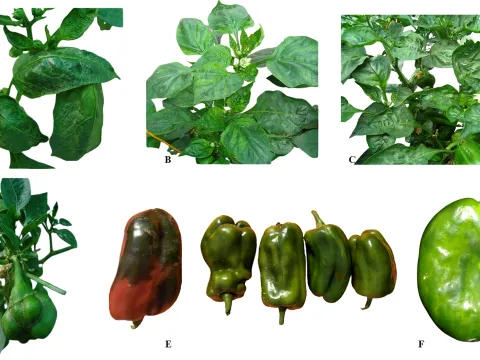
Initial symptoms include chlorotic spotting and the development of a distinct mosaic pattern on leaves, alternating between light and dark green areas.
As the infection progresses, leaves exhibit significant deformation, puckering, and curling, which negatively impacts the plant's photosynthetic capacity.
The fruits show visible distress, manifesting as irregular shapes, surface spotting, and stunted growth that render them unmarketable.
Infected plants show reduced vigor, shortened internodes, and overall stunting compared to healthy plants in the same growing environment.
- mosaic patterns on foliage;
- leaf curling and deformation;
- stunted fruit development;
- reduced plant height;
- overall systemic decline.
High temperatures in greenhouses create an ideal environment for rapid viral replication, accelerating the progression of the disease.
High humidity levels and poor air circulation often stress the plants, making them more susceptible to systemic infection and colonization by the virus.
Weeds belonging to the Solanaceae family often serve as alternative hosts, acting as reservoirs for the virus throughout the growing season.
Frequent temperature fluctuations can compromise the plant's immune response, allowing latent infections to become active and symptomatic.
Inadequate soil disinfection and the reuse of contaminated growing media are common factors that perpetuate the virus cycle within indoor facilities.
Pepper mottle virus causes significant economic losses by drastically reducing the yield and quality of marketable pepper fruit.
Because the disease is systemic and lacks effective chemical cures, infected plants effectively become permanent sources of viral inoculum.
The loss of photosynthetic leaf area leads to poor fruit development, low sugar content, and overall poor nutritional value of the harvest.
The persistence of the virus in the environment necessitates costly interventions such as soil replacement or extensive sanitization of entire facilities.
The inability to control the virus with standard fungicides makes management challenging and increases the risk of complete crop failure.
Strict sanitation is the primary defense: tools must be disinfected frequently, and workers should wash their hands after handling potentially infected plants.
Choosing resistant or tolerant pepper varieties is the most effective long-term strategy for minimizing the impact of Tobamoviruses in production.
Effective weed management is crucial to remove reservoir hosts from the field perimeter and inside the greenhouse.
Implementing a proper crop rotation system using non-host species helps reduce the viral load in the soil over time.
Early identification and rigorous roguing of symptomatic plants, followed by proper disposal, are essential to stop the chain of infection.