
Pepper veinal mottle virus
Potyvirus capsivenae
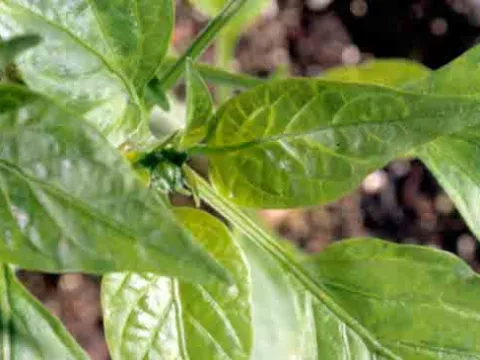
The primary symptom of this viral infection is the clearing or chlorosis of the leaf veins. This veinal mottling typically appears on young leaves, creating a distinct pattern that highlights the plant's vascular structure as the virus disrupts normal chlorophyll production.
What the section contains
Pepper veinal mottle virus
As the infection progresses, a mosaic pattern of light and dark green patches develops across the foliage. Leaf deformation is a common secondary symptom, resulting in crinkled, puckered, or narrow leaves that significantly alter the plant's natural appearance.
Infected plants exhibit a clear reduction in overall vigor and growth. Stunting is frequently observed, with shortened internodes leading to a bushy and underdeveloped architecture that makes them easily distinguishable from healthy plants in the field.
Fruit development is severely impacted by the disease. Infected pepper plants produce smaller, misshapen fruits with mottled skin discoloration. These aesthetic defects make the produce unsuitable for fresh market sale and reduce the overall marketable yield.
In cases of severe infestation, premature abscission of flowers and fruits occurs. The plant's physiological stress leads to a decline in reproductive output, potentially causing total crop failure if the infection occurs early in the growing season.
The disease is caused by the Pepper veinal mottle virus (PVMV), a member of the Potyvirus genus. It is a strictly parasitic pathogen that relies entirely on the host plant's cellular machinery to replicate its genetic material and synthesize viral proteins.
The virus particles are filamentous in shape. Once inside the plant, PVMV enters the phloem, utilizing the plant's transport system to spread rapidly throughout all tissues, including roots, stems, and newly developing leaves.
Weeds belonging to the Solanaceae family serve as the primary natural reservoir for the virus. These weeds allow the pathogen to survive during periods between cropping cycles, acting as a constant source of inoculum for subsequent plantings.
Transmission occurs mainly via insect vectors, particularly various species of aphids. When an aphid feeds on an infected plant, it picks up the virus and can transmit it to a healthy plant within seconds or minutes during the next feeding session.
Mechanical transmission is another significant pathway for the virus. It can be spread by farm equipment, pruning tools, or manual handling of plants if the sap from an infected specimen comes into contact with healthy tissues through open wounds.
The development of PVMV outbreaks is closely linked to the population dynamics of its insect vectors. Warm and dry weather conditions favor rapid aphid reproduction, which directly correlates with higher rates of viral spread within the field.
Greenhouse environments often provide ideal conditions for the virus if sanitation and ventilation are neglected. The enclosed space and high plant density facilitate the movement of aphid vectors, leading to swift colonization and infection of the crop.
Poor weed management surrounding the production site is a major contributing factor. By allowing reservoir hosts to grow near the crop, growers provide a safe haven for the virus to persist and migrate into the pepper plants as the season progresses.
Early-season infection, often originating in the seedling nursery, is particularly dangerous. If young plants are infected before being transplanted, the virus establishes a systemic presence that ensures poor growth and low productivity throughout the entire lifecycle.
Environmental stress, such as water deficit or extreme temperature fluctuations, weakens the plant's defense mechanisms. A stressed plant is significantly more susceptible to successful viral inoculation and rapid symptom development compared to a robust, healthy plant.
The most significant economic impact is the substantial loss of marketable produce. Since the infection limits both fruit size and quality, the volume of sellable peppers drops dramatically, leading to direct financial losses for the grower.
Beyond quantity, the quality degradation is severe. Misshapen and discolored fruits are typically rejected by distributors and consumers, forcing farmers to dispose of large portions of the harvest, which increases operational costs.
PVMV imposes a metabolic burden on the host plant by redirecting energy away from growth and production. This resource drain leaves the plants prone to opportunistic pathogens, making them more susceptible to secondary fungal or bacterial infections.
Management costs add to the economic burden. Increased reliance on chemical insecticides to control vectors, along with the labor required for roguing infected plants, significantly inflates the cost of production per unit.
The virus limits the ability of the crop to achieve its genetic yield potential. Furthermore, seeds collected from infected plants may carry the virus, posing a significant risk for carry-over infection in future seasons if proper seed selection is not practiced.
The primary strategy for managing PVMV is the use of resistant or tolerant cultivars. Selecting genetics that can withstand the virus offers the most sustainable approach to maintaining high yields in areas where the virus is endemic.
Vigorous control of aphid populations is essential to break the infection cycle. Implementing an integrated pest management (IPM) program that includes timely insecticide applications helps keep vector numbers below the threshold for viral transmission.
Maintaining a clean production area is vital for long-term control. Eradicating Solanaceous weeds in and around the field eliminates the virus's overwintering hosts and significantly reduces the primary inoculum pressure.
- Sterilizing tools with a disinfectant solution between uses;
- Promptly roguing and destroying infected plants;
- Establishing spatial barriers between young and mature crops;
- Using fine-mesh insect screens in greenhouses to exclude vectors.
Good hygiene practices by farm personnel are critical. Workers should wash hands and sanitize clothing after handling suspicious plants to avoid accidental mechanical transmission of the virus between healthy and infected sections of the crop.