
Pepper small-capsule viroid
Pospiviroid parvicapsici
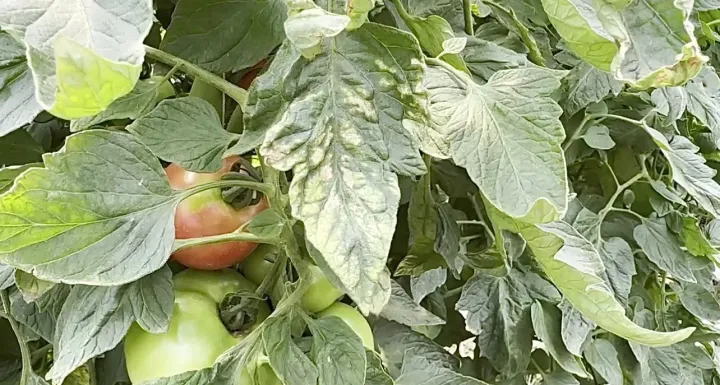
Description
Symptoms
The most characteristic symptom is the significant stunting and deformation of fruits, which appear shriveled or abnormally small, resembling a "small capsule" structure.
Affected plants exhibit overall dwarfing, with shortened internodes and a dense, compact, and unnatural canopy appearance compared to healthy individuals.
Leaves may show chlorosis (yellowing) or a mosaic pattern, while in some varieties, the edges of the leaves may become distorted, curled, or wavy due to impaired nutrient transport.
Flowering is frequently disrupted; the plants may produce fewer flowers, and the set fruits often drop prematurely before they can reach commercial maturity.
Given the cryptic nature of viroids, symptoms can sometimes be masked or confused with other conditions like nutrient deficiencies, necessitating molecular testing for definitive diagnosis.
Pathogen
The causative agent of the disease is Pospiviroid parvicapsici, a viroid pathogen. Viroids are the smallest infectious entities known, consisting solely of a short, circular, single-stranded RNA molecule without a protein coat.
The disease type is a systemic viroid infection that affects the internal regulatory systems of the host plant. It specifically targets members of the Solanaceae family.
Primary hosts for this pathogen include sweet and hot peppers (Capsicum annuum), along with several wild species within the same botanical family which can act as reservoirs.
The transmission of the viroid occurs primarily through mechanical means, such as the use of contaminated tools during pruning, harvesting, or regular plant care.
The pathogen can also persist in infected seeds, leading to primary outbreaks in greenhouses or fields where infected batches are planted without prior testing.
Conditions for development
High temperatures combined with excessive humidity create optimal conditions for the replication and rapid systemic movement of the viroid within plant tissues.
Close plant spacing increases the efficiency of mechanical transmission, as leaves and stems rub against each other during routine cultural practices, facilitating the entry of the viroid.
Poor sanitation practices, such as the failure to disinfect pruning equipment between different plants, are the main driver for large-scale outbreaks in commercial settings.
Personnel movement within the greenhouse, including contact with clothes and hands, can contribute to the accidental spread of the pathogen from one area to another.
The persistence of the viroid in weed reservoirs near the cultivation site allows the disease to survive during winter months and re-emerge at the start of the next growing season.
Why it matters
The economic impact of the Pepper small-capsule viroid is severe, primarily due to the loss of marketable yield, as deformed fruits cannot be sold to consumers.
The pathogen causes chronic physiological stress, significantly reducing the overall vegetative growth and biomass of the pepper plants, which leads to lower total crop volume.
Infected plants become increasingly susceptible to secondary stressors, including opportunistic fungal or bacterial diseases that target weakened tissue.
The long-term impact includes the degradation of the quality of seeds harvested from infected plants, perpetuating the disease cycle in future plantings.
Costs related to the labor-intensive removal and destruction of infected symptomatic plants add significant financial strain to greenhouse operations.
Protection
The primary prevention strategy is the use of high-quality, certified, viroid-free seed material obtained from reputable sources with rigorous testing protocols.
Strict hygiene protocols are essential: tools must be disinfected after every single plant interaction using effective chemical agents like sodium hypochlorite or specialized sanitizers.
Routine monitoring and systematic roguing of any plant showing signs of growth distortion are critical to stopping the spread of the infection within the population.
Weed management around the perimeter of the farm and within greenhouses is necessary to eliminate alternate host reservoirs that harbor the viroid between crop cycles.
Educational programs for farm staff regarding the mechanical transmission of viroids are crucial to ensuring consistent compliance with all sanitary measures.
Discussion
No discussions yet — be the first.