
Rosadnavirus venarosae
Rosadnavirus venarosae
The primary symptom of the infection is the specific yellowing or lightening of tissues directly along the leaf veins, creating a distinctive vein-clearing pattern.
What the section contains
Rosadnavirus venarosae
Affected plants often display severe leaf deformation, characterized by curling, wrinkling, or a significant reduction in the size of the leaf blades.
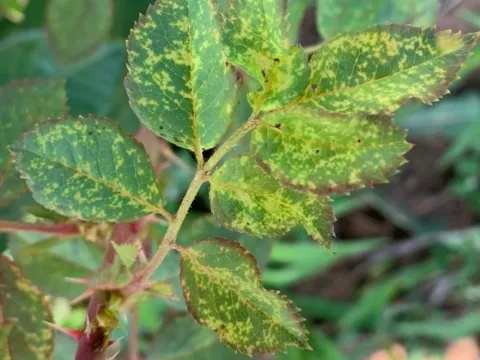
Over time, chlorotic spots of various shapes emerge on the leaves, which may eventually coalesce and lead to localized tissue necrosis throughout the canopy.
Plants infected with Rosadnavirus exhibit stunted growth and impaired physiological development, resulting in a poorly developed root system and low biomass.
Due to the disruption of photosynthesis caused by chloroplast damage, the plants lose turgor pressure, appearing wilted even when soil moisture levels are adequate.
The causative agent of the disease is Rosadnavirus venarosae, a virus with a complex structure and a specific replication mechanism within higher plants.
This pathogen is classified as an obligate parasite, meaning it relies entirely on the metabolic processes of the host plant to replicate and spread.
Viral particles infiltrate the plant's vascular system, systemically infecting newly developing organs, including stems, leaves, and reproductive structures.
In natural conditions, the transmission of the infection most commonly occurs through specialized insect vectors that feed on the sap of infected plants.
Transmission can also occur through mechanical means during agricultural practices like pruning or thinning if sanitation of tools is not maintained.
Warm weather conditions facilitate the spread of the virus by accelerating the life cycles of insect vectors and increasing their migratory activity.
High plant density provides a favorable environment for the disease, facilitating direct contact between plants and rapid colonization by insect vectors.
Inadequate control of sap-sucking pests such as aphids, thrips, or leafhoppers creates a high risk of rapid, epidemic-like spread of the virus across the field.
Weed populations in the vicinity of agricultural crops often serve as secondary hosts and reservoirs for the virus during off-seasons.
Stress factors, including nutritional deficiencies or irregular irrigation, weaken the plant's immune response, making them more susceptible to systemic viral infection.
The primary damage caused by Rosadnavirus is a drastic reduction in produce quality, rendering the harvest unsuitable for market sale or long-term storage.
The virus severely inhibits the plant's metabolic functions, leading to significant yield losses and, in severe cases, the total death of the crop.
Infection adversely affects reproductive success, resulting in the formation of deformed fruits or the complete failure of the plant to produce a harvest.
Persisting in plant tissues, the virus becomes a chronic source of infection, necessitating the immediate removal and destruction of affected individuals.
Economic losses for producers include direct yield reductions, increased costs for pest control, and the expenses associated with rigorous quarantine measures.
The primary control strategy involves continuous phytosanitary monitoring to ensure the timely detection and immediate removal of any symptomatic plants.
Effective management relies on a systemic approach to pest control, using approved insecticides during the periods of peak insect vector activity.
The use of certified, virus-free planting material that has undergone laboratory testing is essential for preventing the introduction of the pathogen.
Implementing proper crop rotation and diligent weed management practices helps to limit the number of potential hosts for the virus in the field.
All agricultural tools must be regularly disinfected with alcohol or chlorine-based solutions to prevent the mechanical transmission of the virus between plants.