
Rose leaf curl virus
Luteovirus rosae
Rose leaf curl virus is a specialized viral pathogen belonging to the Luteovirus genus. This agent acts as a microscopic parasite that infects the plant's vascular system, specifically disrupting the normal transport of nutrients through the phloem.
What the section contains
Rose leaf curl virus
The virus is transmitted exclusively via insect vectors, most notably various species of aphids that feed on the sap of rose plants. As aphids feed on an infected plant, they acquire viral particles and subsequently spread the pathogen to healthy specimens.
The incubation period for this disease can vary significantly depending on the host plant's vigor and prevailing environmental conditions. The viral particles are highly stable within the insect vector, ensuring efficient transmission even over considerable distances.
A critical aspect of this virus's biology is its localization within the phloem tissues. By obstructing these vital conduits, the virus triggers a cascade of physiological stresses that manifest as visible systemic decline in the rose bush.
This pathology cannot be managed with systemic fungicides, as these chemicals are designed to target fungal organisms rather than intracellular viral parasites, making chemical control of the virus itself ineffective.
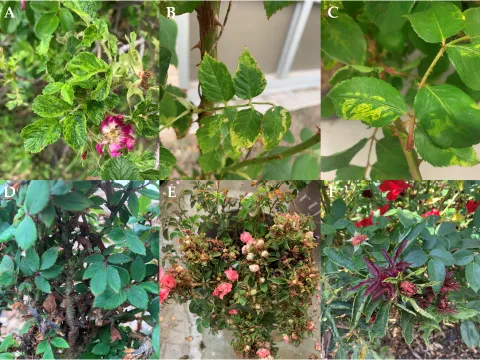
The primary diagnostic sign of infection is the characteristic curling of leaf margins along the central vein. Leaves often become rigid, distorted, and may twist either inward or outward, resulting in a stunted and misshapen appearance.
During the early stages of the disease, chlorosis becomes evident—a yellowing of the leaf tissue often misidentified as a mineral deficiency. However, in the case of viral infection, this symptom typically progresses across the entire plant systemically.
The overall structure of the rose bush changes significantly: shoots become shortened, internodes are compressed, and the plant exhibits a dwarfed or severely stunted growth habit. Flowering is either severely reduced or produces malformed, undersized buds.
As the infection progresses, leaves may display mosaic patterns or necrotic light-colored spots. Stems lose turgor, become brittle, and may begin to die back, significantly reducing the plant's capacity for photosynthesis and energy storage.
- Inward or outward curling of young leaves.
- Significant stunting of shoot growth and development.
- Appearance of chlorotic patterns and necrotic zones.
- Reduced bud size and poor flower development.
The spread of the virus is inextricably linked to the lifecycle and activity of its aphid vectors. The most favorable conditions for the transmission of the virus occur during periods of warm and humid weather, which promote rapid aphid population growth.
In greenhouses or controlled environments, the transmission of the virus often accelerates due to the absence of natural predators that would otherwise regulate aphid populations. Temperature fluctuations and environmental stress factors increase the plant's susceptibility to primary infection.
The presence of nearby weed reservoirs is a major risk factor. Aphids frequently migrate from wild host plants to garden roses, effectively introducing the virus into a clean collection if proper weed management is ignored.
Failure to implement appropriate agronomic controls allows the pathogen to accumulate within the planting. The longer an infected bush remains in the proximity of healthy ones, the higher the risk of a widespread viral outbreak.
The virus can successfully overwinter in the tissues of perennial infected plants that remain in the soil, effectively serving as the primary inoculum source for the following growing season.
The primary damage caused by the virus is the irreversible disruption of physiological processes, which leads to the total exhaustion of the plant's metabolic resources. Unable to synthesize energy efficiently, the rose bush gradually declines and eventually dies.
Economic damage is significant as the plant loses all aesthetic value, rendering it useless for landscaping or floral production. Furthermore, infected plants exhibit reduced cold hardiness, making them highly susceptible to winter injury and frost damage.
Viral infection leaves the plant vulnerable to opportunistic secondary bacterial and fungal pathogens. A weakened immune system cannot resist common diseases like black spot or powdery mildew, which would otherwise be manageable in a healthy plant.
For commercial growers, an outbreak of this virus leads to a catastrophic reduction in marketable yield. Flowers lose their shape, color intensity, and post-harvest shelf life, making them completely unsuitable for sale.
Since there is no medicinal cure for the virus, every infected plant acts as a persistent threat to the remaining collection, necessitating strict isolation or the immediate destruction of affected material.
The cornerstone of management is rigorous phytosanitary control. Upon detecting the first signs of the virus, affected parts of the plant must be removed immediately; in cases of systemic infection, the entire bush must be uprooted and destroyed.
Systematic control of insect vectors is mandatory. The regular application of systemic insecticides is essential to keep aphid populations below the threshold required for successful virus transmission.
Cultural practices, including balanced fertilization and precise irrigation, play a vital role in supporting the rose's natural immunity. A robust, vigorous plant is better equipped to delay and tolerate the effects of viral symptoms.
Maintaining spatial isolation between newly purchased nursery stock and existing rose beds is a key preventive measure. A quarantine period for all new arrivals is highly recommended in professional rose cultivation.
Disinfecting pruning tools between each individual plant is critical. Because the virus is easily transmitted through plant sap, contaminated secateurs can inadvertently infect healthy plants, so tools should be sterilized with alcohol after every use.