
Rosadnavirus
Rosadnavirus
Rosadnavirus is a distinct group of viruses primarily infecting ornamental plants, with a significant impact on species within the Rosaceae family. This pathogen is characterized by its RNA-based structure, which hijacks plant cellular mechanisms.
What the section contains
Rosadnavirus
The virus acts as a systemic pathogen, moving through the vascular tissues to reach various parts of the host plant, disrupting internal physiological processes.
It often survives in a latent phase, meaning a plant can appear healthy while serving as an active reservoir for spreading the infection to other plants nearby.
Transmission occurs through vegetative propagation (cuttings, grafting) and via various insect vectors that feed on plant sap during the growing season.
Identification of this virus usually requires sophisticated molecular diagnostic techniques, such as RT-PCR, to distinguish it from other viral rose pathogens.
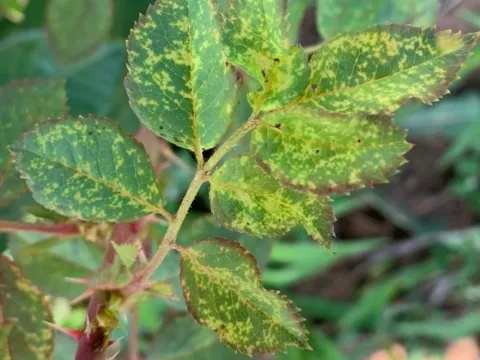
The most common clinical sign is a mosaic pattern on the foliage, characterized by alternating patches of light yellow or pale green discoloration.
Leaves often display significant morphological changes, including crinkling, curling at the margins, or irregular, stunted development compared to normal growth.
Stems may show signs of necrosis, decreased vigour, or shortened internodes, which negatively affects the overall architecture and height of the rose bush.
Floral symptoms include smaller-than-average blooms, loss of color intensity, and occasionally, the appearance of distinct white streaks on the flower petals.
In advanced stages of the disease, the plant stops producing new buds, leading to a complete cessation of flowering and eventual decline of the specimen.
The development and spread of Rosadnavirus are significantly influenced by favorable environmental conditions, such as high humidity and optimal temperatures for vector activity.
Human activity is a primary transmission route, specifically through pruning tools that are not sterilized between individual plants in the nursery or garden.
Poorly maintained gardens with dense vegetation provide ideal conditions for insect vectors, including aphids and thrips, to thrive and transmit the virus.
Nutrient deficiencies or environmental stress can weaken the plant's natural defense, making it more susceptible to developing severe viral symptoms.
The use of infected rootstock for grafting is a major cause of disease transmission in commercial rose production, as the virus spreads throughout the scion.
The primary harm caused by this virus is the irreversible physiological weakening of the host plant, rendering it incapable of normal growth and reproduction.
Affected plants suffer from severe economic losses due to their inability to meet aesthetic standards required for the sale of ornamental flowers and shrubs.
Once infected, the plant remains a permanent liability in the garden, constantly exposing neighboring healthy specimens to the risk of viral transmission.
Long-term infestation leads to stunted development, making the plant unable to survive harsh winter conditions or secondary infections from opportunistic fungi.
Because there is no curative treatment for infected plants, the cumulative loss of investment in gardening time and materials is a major concern for growers.
The best strategy for control is the prevention of infection through the exclusive use of certified, virus-free planting material from reliable nurseries.
Strict sanitation protocols should be implemented, including the regular sterilization of all pruning and propagation tools with effective disinfectant solutions.
Integrated Pest Management (IPM) is essential to control insect vectors like aphids, as they are the primary mechanism of local disease outbreaks.
If a plant is confirmed to have Rosadnavirus, it must be promptly rogued (removed and destroyed) to eliminate the local source of the viral pathogen.
- Routine monitoring for leaf mottling and stunting.
- Removing weeds that act as alternative virus hosts.
- Maintaining healthy soil to bolster plant immunity.