
Pepper mottle virus
Potyvirus capsianuli
The Pepper mottle virus (PepMoV) is a pathogenic agent belonging to the Potyvirus genus. It is a systemic plant disease that affects the vascular system at the cellular level, severely disrupting metabolism and photosynthesis.
What the section contains
Pepper mottle virus
The virus consists of filamentous particles that rapidly spread throughout the plant tissue following initial infection. While it is relatively stable in the environment, it strictly requires living host cells to complete its life cycle.
Common weeds belonging to the Solanaceae family often act as the primary reservoir for the virus. PepMoV can persist in the root systems of perennial weeds, making weed management essential for disease control.
Transmission occurs primarily through non-persistent vectors, specifically aphids. Interestingly, unlike many other plant viruses, PepMoV is not seed-transmitted, which is a unique characteristic of this specific pathogen.
The incubation period varies depending on ambient temperatures and the plant's overall vigor. Once the virus infiltrates the plant cells, rapid viral RNA replication occurs, resulting in visible symptoms within 10 to 14 days.
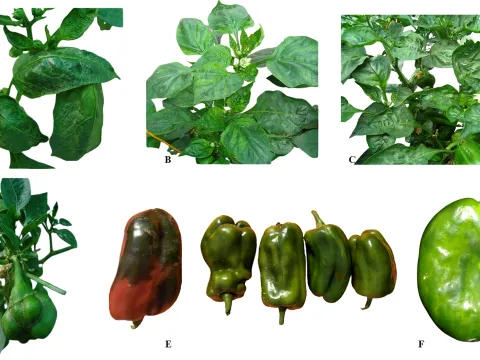
The first and most prominent symptom is a characteristic mosaic pattern on the leaves. The alternating light and dark patches are frequently accompanied by leaf deformation, where edges may curl inwards.
General stunting and shortened internodes are typical, giving the plant a compact and distressed appearance. Leaves become brittle, and the surface texture often turns bumpy or distorted.
Fruit symptoms include significant malformation, surface bumps, and the appearance of mottling or streaks. The fruits lose their marketability and are often smaller than those from healthy plants.
Flowering is severely reduced or completely inhibited in heavily infected plants, as the crop redirects its limited resources toward managing the viral stress. Often, fruit set fails entirely, with flowers dropping prematurely.
- Chlorosis and vein banding on leaves;
- Curling of the apical shoots;
- Premature fruit and flower drop.
The spread of the virus is closely tied to weather patterns that favor the reproduction of aphid populations. Warm and dry conditions create the ideal environment for the migration of insect vectors.
Various species of aphids are the primary vectors for the Pepper mottle virus. As aphids feed on the sap of infected plants, they pick up viral particles and transmit them to healthy plants in just seconds of probing.
High planting density promotes faster disease transmission within greenhouses and fields. Overcrowded crops create a favorable microclimate that enhances the activity and mobility of insect vectors.
Poor agricultural practices, such as failing to remove surrounding weeds, provide a persistent source of inoculum. The virus can easily bypass containment barriers if basic farm hygiene is neglected.
Fluctuating temperatures and inconsistent irrigation stress the plants, weakening their natural defense systems and making them much more susceptible to the rapid advancement of viral infection within their tissues.
The economic impact of Pepper mottle virus is substantial, often leading to yield losses of 50% or more. Infected plants essentially cease to produce marketable fruit, severely affecting the bottom line.
Fruit quality degrades significantly due to severe deformation and changes in texture, rendering the produce unmarketable. Such yields cannot be stored or transported effectively for commercial purposes.
Viral infection leads to premature senescence of the entire plant, drastically shortening the vegetation period and preventing the crop from reaching its full potential as specified by the variety or hybrid.
Infected plants serve as focal points for the virus, posing a constant risk to neighboring healthy crops. Rapid outbreaks can lead to complete failure of the pepper crop within a single growing season.
Management costs increase significantly due to the necessity of continuous aphid control programs and specialized sanitation protocols, which often fail to cure plants that have already contracted the virus.
The most effective strategy is the immediate roguing and destruction of symptomatic plants, including their root systems. This practice is crucial to break the infection cycle within the field or greenhouse.
Primary control efforts must focus on managing aphid populations. The use of systemic insecticides, combined with consistent monitoring of insect numbers, is mandatory throughout the growing season.
Rigorous weed management is essential to remove secondary hosts that serve as viral reservoirs. Maintaining clean surroundings for greenhouses and fields significantly reduces the risk of primary infection.
Adherence to strict sanitation protocols and the disinfection of tools after contact with plants prevents mechanical transmission of the virus from infected to healthy specimens.
The use of resistant cultivars and hybrids is the gold standard for prevention. Breeding for resistance minimizes economic risks and ensures stable yields even under pressure from viral diseases.