
Pelargonium necrotic spot virus
Tombusvirus necropelargonii
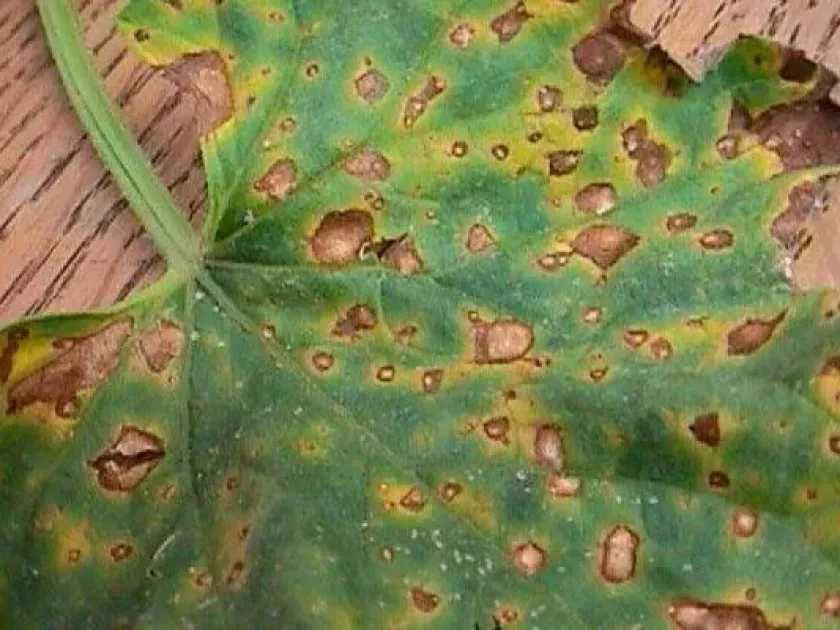
Description
Symptoms
Initial symptoms manifest as chlorotic spots or distinct ring-like patterns on leaves, which gradually develop into necrotic (dead) tissue zones.
The necrotic areas often exhibit an angular shape or concentric rings, providing a specific diagnostic signature for this viral infection.
Infected plants typically show significant growth suppression, leaf deformation, and premature leaf drop, which ruins their aesthetic quality.
Severe cases may lead to stem necrosis, resulting in the dieback of individual shoots or the total collapse of the plant structure.
Often, the virus remains in a latent stage where the plant appears perfectly healthy, functioning as a silent reservoir for further spread.
Pathogen
The disease is caused by Pelargonium necrotic spot virus (PNSV), a member of the Tombusvirus genus that specifically infects members of the Geraniaceae family.
The virus is primarily transmitted mechanically through contaminated tools, hands during propagation, and direct leaf-to-leaf contact between plants.
As a systemic pathogen, it colonizes the vascular system, effectively infiltrating all parts of the host organism after the initial infection.
The virus can persist in soil and plant debris, making long-term sanitation of the cultivation environment extremely challenging for growers.
Because viral infections cannot be cured with chemical fungicides, management focuses exclusively on containment and preventive measures.
Conditions for development
High humidity and high-density planting in greenhouse environments are ideal conditions for the rapid spread of viral particles.
Poor sanitation practices, such as using unsterilized pruning shears between different plants, are the primary drivers of localized epidemics.
Environmental stress factors, including extreme temperature fluctuations and poor light conditions, weaken the plant's defense mechanisms.
Physical injuries to the leaf surface, whether from insects or handling, provide easy entry points for the virus to enter the host's cells.
Active growing seasons facilitate faster viral multiplication and systemic movement, making early detection during these periods critical.
Why it matters
This virus causes substantial economic losses in the floriculture industry, as infected plants are unsalable and must be destroyed immediately.
Flowering is severely impaired, resulting in fewer blooms, flower deformation, and overall decline in plant vitality.
Systemic infection renders the plant unsuitable for vegetative propagation, as cuttings will inherently carry the viral load.
In greenhouse operations, a single undetected infected plant can quickly lead to the loss of entire crop batches if sanitation is neglected.
The lack of curative treatments makes this disease a major threat to rare cultivars and specialized collections requiring strict quarantine.
Protection
The core of effective management is strict adherence to phytosanitary protocols and the immediate removal of all symptomatic plants.
All tools, containers, and work surfaces must be regularly disinfected with effective virucidal agents to prevent cross-contamination.
Growers should source only certified healthy plant material and maintain high standards of hygiene when handling or propagating new stock.
Maintaining a balanced microclimate and proper air circulation can reduce stress and minimize the spread of the pathogen within the greenhouse.
- Isolate any suspicious plants at the first sign of symptoms.
- Sterilize tools and hands after every plant interaction.
- Use only sterilized growing media for propagation.
- Incinerate all infected plant material to prevent carry-over.
Discussion
No discussions yet — be the first.