
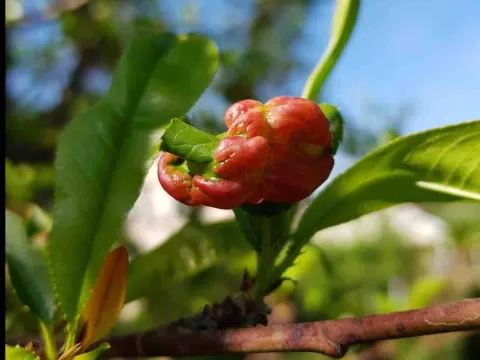
Peach leaf curl virus
Luteovirus nucipersicae
The Peach leaf curl virus (often associated with Luteovirus nucipersicae) is a systemic plant pathogen that specifically affects stone fruit species. It belongs to the Luteoviridae family, which is known for systemic phloem-limited infections.
What the section contains
Peach leaf curl virus
The virus is transmitted by aphids, which act as vectors. When an aphid feeds on an infected tree, it acquires the virus and can transmit it to healthy trees during subsequent feeding sessions.
Unlike some other viruses, this pathogen does not typically spread through mechanical contact like pruning tools alone, but its spread is heavily dependent on the movement of insect vectors within the orchard.
The virus replicates within the host's phloem tissue, which is responsible for transporting sugars and nutrients from leaves to the rest of the tree. This explains the systemic impact on the tree's health.
Persistence of the virus in the environment is mainly facilitated by overwintering on weed hosts or in the bodies of the vector insects, making year-round orchard monitoring essential.
Symptoms often manifest as the characteristic curling and puckering of leaves. The edges of the leaves roll inwards, and the tissue becomes thickened and leathery in texture.
Color changes are frequent, with leaves showing chlorosis (yellowing) or, in advanced stages, reddish-purple discoloration along the veins. This disrupts the tree's ability to perform photosynthesis efficiently.
Growth abnormalities are common, including shortened internodes that lead to a stunted, rosette-like appearance of terminal shoots. This severely restricts the tree's overall canopy development.
Fruit set is heavily impacted; fruits are often small, misshapen, and drop prematurely. The quality of the fruit that does reach maturity is generally poor in terms of sweetness and texture.
- Curling and distortion of leaves
- Stunted shoot growth and shortened internodes
- Premature yellowing and leaf drop
- Poor fruit development and deformation
- General decline in tree vigor
The spread of the virus is highly correlated with aphid population surges. Warm and humid springs provide the optimal environment for aphids to multiply and migrate between trees.
Orchards located near alternative hosts, such as wild woody plants or unmanaged grasslands, are at a higher risk because these areas act as reservoirs for both the virus and the aphid vectors.
The virus's development within the tree is most aggressive during the peak vegetative growth phase when sap circulation is at its highest, facilitating rapid systemic spread.
Environmental stress, such as drought or nutritional deficiencies, exacerbates the visible symptoms of the disease, as the tree has fewer resources to maintain its immune response against the virus.
Poor orchard hygiene, including the accumulation of debris and weeds, provides protected microclimates for insects to thrive, thereby increasing the probability of viral transmission.
The primary economic harm is the massive reduction in marketable fruit yield. Infected trees often produce fruit that is commercially worthless due to small size and deformities.
Long-term harm includes the chronic weakening of the tree. Since the virus disrupts the transport of sugars, the tree fails to accumulate necessary carbohydrate reserves for the winter, leading to cold injury.
Infected trees are typically permanent sources of inoculum. Without removal, the infection will inevitably spread to neighboring healthy trees, eventually affecting the entire orchard block.
The cost of managing a virus-infected orchard is prohibitive. Often, the only viable financial strategy is to remove the symptomatic trees and replace them, causing a gap in production years.
Potential for total orchard failure exists if the aphid population is not controlled early in the season, leading to a rapid spread that renders the trees unproductive within a short timeframe.
Prevention begins with the selection of certified virus-free nursery stock. Inspecting new plantings for signs of curling or stunting is the first line of defense.
Aggressive aphid management is essential. Using systemic insecticides during the early spring when aphid colonies first appear can drastically reduce the transmission rate of the virus.
Rigorous monitoring and rogueing are necessary. Any tree showing clear symptoms of the virus should be removed and disposed of away from the orchard site to eliminate the source of infection.
Maintaining a clean orchard floor by mowing weeds and removing alternative host plants significantly lowers the population density of insect vectors.
Finally, implementing a robust fertilization and irrigation program helps the trees maintain optimal health, which can sometimes allow them to tolerate lower viral loads better than neglected trees.