
Pea yellow dwarf
Nanovirus flavipisi
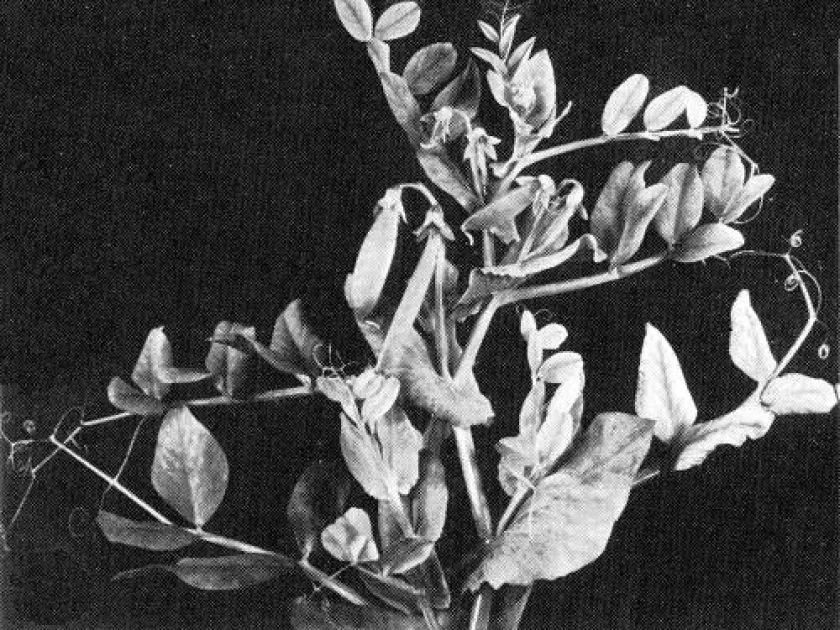
Description
Symptoms
The most prominent symptom is severe stunting, where the infected plants show significantly shortened internodes and a bushy, rosette-like appearance that halts vertical development.
Leaves on affected plants exhibit noticeable chlorosis (yellowing), beginning from the edges and spreading inwards. These leaves are often smaller, brittle, and distorted in shape.
Root system development is severely hampered, leading to a stunted plant that cannot effectively uptake water or nutrients from the soil, further compounding the disease symptoms.
Flower initiation is either delayed or completely inhibited. If flowers do develop, they frequently abort before pod formation, or they produce extremely stunted and non-viable pods.
Field observation reveals the disease through patchy distribution, indicating the initial entry points and subsequent movement of aphid populations through the pea canopy.
Pathogen
The causative agent of the disease is the Pea yellow dwarf virus (PYDV), belonging to the Nanovirus genus. This virus is a small DNA-based pathogen that specifically targets leguminous crops.
The virus acts as a systemic pathogen within the plant, colonizing phloem tissues. By disrupting the vascular transport system, it prevents essential nutrients from reaching developing parts of the plant.
It is not seed-transmitted, meaning the virus relies entirely on insect vectors for its dispersal across agricultural landscapes. The pathogen is remarkably stable within its vectors.
The viral infection interferes with the plant’s hormonal balance, specifically affecting growth regulators, which leads to the characteristic stunting and physiological collapse of the host.
Understanding the molecular biology of this nanovirus is crucial for breeders aiming to develop resistant crop varieties that can withstand viral pressure in diverse environments.
Conditions for development
The virus is exclusively transmitted by insect vectors, most notably various species of aphids such as Acyrthosiphon pisum, which acquire the virus while feeding on infected sap.
Warm, dry weather conditions create an ideal environment for aphid proliferation and rapid migration, which significantly increases the risk of widespread viral transmission.
Overwintering perennial legumes serve as critical reservoirs for both the virus and its aphid vectors, providing an early source of infection for emerging spring pea crops.
Dense crop stands and poor weed management practices create microclimates that favor vector survival and movement, thus accelerating the spread of the virus within the field.
The intensity of the outbreak is heavily dependent on the duration of feeding by the vector; longer feeding times significantly increase the probability of successful viral inoculation.
Why it matters
The economic impact is severe, as infected plants suffer from drastic yield reduction, often rendering the crop harvest non-profitable in heavily affected field sectors.
Seed quality is severely compromised, with grains becoming shriveled, undersized, and possessing low germination rates, making them unsuitable for subsequent seasonal planting.
Viral infection leaves the plants weak and prone to secondary complications, including root rots and foliar fungal diseases, which further diminish the total marketable yield.
The uneven maturity of crops caused by viral stunting complicates the harvesting process, leading to higher mechanical losses and increased logistical costs during harvest operations.
Overall, the disease causes significant financial losses, requiring farmers to implement costly control programs to minimize the spread and maintain field productivity.
Protection
Effective management focuses primarily on controlling the aphid vector population through the strategic application of systemic and contact insecticides during the early growth stages.
Implementing spatial isolation between pea fields and perennial legume areas is essential to minimize the primary introduction of the virus from its natural reservoirs.
Integrated pest management, including the rigorous elimination of weeds along field borders, helps reduce the local breeding habitats for aphid populations.
- Utilizing resistant or tolerant pea cultivars.
- Optimizing planting times to evade peak aphid migration.
- Regular field monitoring for vector presence.
- Removal of infected source plants early in the season.
Good agricultural practices that promote vigorous plant growth help the crop better tolerate the viral infection and recover from minor levels of aphid feeding stress.
Discussion
No discussions yet — be the first.