
Citrus yellow blotch viroid
Cocadviroid rimocitri
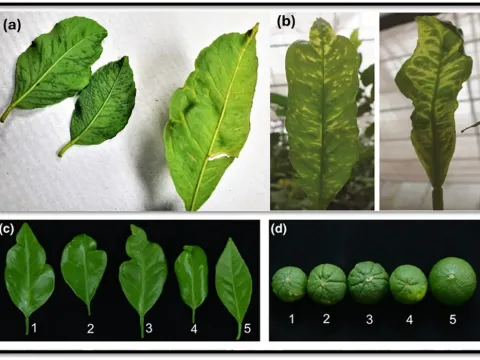
The primary symptom of this viroid infection is a specific chlorosis on citrus leaves. Yellow blotches, often with diffuse or ring-like patterns, appear on the leaf blades.
What the section contains
Citrus yellow blotch viroid
As the disease progresses, leaves become significantly smaller. The tree begins to show stunted growth, and internodes of shoots become shorter, resulting in an overly dense crown.
In some cases, cracks or characteristic irregularities may appear on the bark of the trunk or main branches. Symptoms can vary depending on the specific viroid strain and citrus cultivar.
Flowering and fruit production on infected trees become unstable and weak. Fruits often decrease in size, lose commercial value, and the peel becomes coarse and less attractive.
The viroid is often present in a latent (asymptomatic) form. External symptoms manifest only under specific stress conditions or when the pathogen concentration in tissues becomes critical.
The disease is caused by the viroid Cocadviroid rimocitri, which belongs to the Pospiviroidae family. Viroids consist of small, circular, single-stranded RNA molecules.
Unlike viruses, viroids do not encode protein coats, relying entirely on host cell resources for replication. This makes the pathogen extremely resilient and autonomous.
The pathogen affects a wide range of Citrus species. Lemons, oranges, grapefruits, and mandarins on various rootstocks are particularly susceptible to the infection.
The viroid is primarily transmitted mechanically via contaminated agricultural tools. Pruning without proper tool disinfection leads to the spread of the infection between trees.
Furthermore, the viroid is actively spread through infected budwood and rootstock material. Utilizing non-certified nursery stock is the main source of primary infection in new orchards.
The viroid persists and develops in living plant tissues year-round. Temperature conditions in the region influence the speed of pathogen movement through the plant vascular system.
The most rapid accumulation and spread of the viroid within the plant occur during active growth and sap flow. High humidity indirectly facilitates spread by easing transmission through micro-wounds.
Important factors in the spread are standard agricultural practices. Using shared grafting knives or mass pruning without tool sanitization creates perfect conditions for pathogen transfer.
Infection can also occur through root or branch contact between neighboring trees in dense plantings. Pests that damage the bark may act as mechanical vectors.
Lack of quarantine oversight when importing plant material from endemic zones poses a constant threat of introducing the disease to new regions of commercial citrus production.
The economic damage caused by citrus yellow blotch viroid stems from a gradual decline in orchard productivity. Affected trees require higher maintenance costs and increased efforts to mitigate stress.
Yield loss can reach 30–50% in long-term infections. Fruits decrease in weight, leading to a downgrade in produce quality and subsequent financial loss.
Trees with high levels of infection become more vulnerable to abiotic stress factors such as drought or temperature fluctuations, often leading to premature tree death.
Impaired photosynthesis due to chlorosis exhausts nutrient reserves in the root system. The plant loses its ability to recover quickly after pruning or adverse weather events.
The viroid is a systemic disease for which there is no chemical cure. This necessitates the total removal of infected plants, resulting in significant investment loss.
The primary control method is the exclusive use of virus-free (certified) planting material. Strict quality control in nurseries is the only guarantee against viroid introduction.
All pruning, grafting, and harvesting tools must be subject to mandatory disinfection. The use of sodium hypochlorite solutions or specialized antiseptics is highly recommended.
Regular monitoring of the orchard for disease symptoms is essential. Suspected trees should be removed, including their root systems, to prevent contact with healthy plants.
Implementing quarantine measures during the import of plants from other regions is critical. Laboratory diagnostics (PCR testing) of imported material is highly recommended.
Maintaining high standards of agronomy, balanced nutrition, and proper irrigation helps trees maintain productivity for longer periods, despite potential latent infections.