
Citrus ophiovirus
Ophiovirus citri
Citrus ophiovirus (CiOV) is a viral pathogen belonging to the genus Ophiovirus. It is characterized by a single-stranded RNA genome and typically causes systemic infections within the vascular system of the host plant.
What the section contains
Citrus ophiovirus
This virus has a specific affinity for the genus Citrus. As a systemic pathogen, it colonizes the phloem, causing physiological disruptions that interfere with the plant's nutrient transport and overall vitality.
The transmission of Citrus ophiovirus is primarily associated with vegetative propagation, such as budding and grafting with infected scion wood or rootstocks.
Because the virus is often symptomless or latent for long periods, it can be inadvertently spread across large areas before its presence is confirmed through laboratory testing.
Molecular detection techniques, such as RT-PCR or ELISA, are essential for identifying the virus, as clinical symptoms are often subtle or easily confused with nutritional deficiencies.
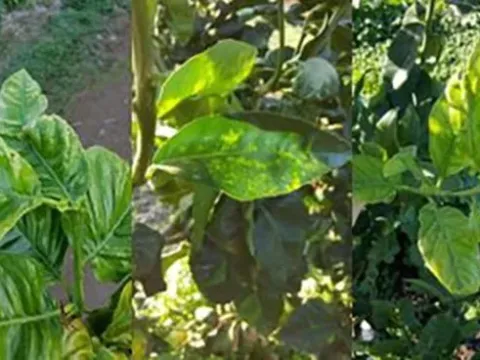
The most common symptoms include chlorotic spots on the leaves, which often develop into characteristic ring-like or arc-shaped patterns. These patterns serve as a key diagnostic indicator in the field.
Infected leaves may show deformation, becoming stunted or asymmetrical. This reduces the photosynthetic capacity of the tree, contributing to a decline in vigor.
General growth reduction and thinning of the canopy are frequently observed. The tree may appear to lack overall structural robustness compared to healthy citrus specimens.
- Chlorotic rings or patterns on leaf surfaces.
- Leaf deformation and reduced size.
- Delayed growth and weakened shoot development.
- Necrotic spots on mature foliage.
- Decreased fruit yield and quality.
Symptom severity is heavily influenced by the citrus cultivar, the age of the plant, and environmental factors such as temperature, which can modulate viral titer.
The dissemination of Citrus ophiovirus is largely facilitated by agricultural practices involving the movement of infected plant material. Nurseries are a critical point in the disease cycle.
Environmental conditions that favor vigorous citrus growth also support the replication and systemic movement of the virus throughout the phloem tissues.
The lack of rigorous health certification for grafting materials provides a pathway for the virus to enter new orchards and persist for several years in a latent state.
Plants stressed by poor nutrition, inadequate irrigation, or pests are more susceptible to the long-term debilitating effects of the virus, showing more pronounced symptoms.
Mechanical transmission via contaminated cutting tools during pruning or grafting is a significant concern for managed plantations lacking strict sanitary protocols.
The primary economic harm caused by Citrus ophiovirus is the cumulative reduction in fruit quality and yield, which lowers the market value of the harvest.
Infected trees suffer from chronic decline, leading to reduced productive lifespan and the necessity for early orchard replacement, which is a major cost factor for farmers.
The loss of plant vigor makes the orchard more vulnerable to secondary infections and opportunistic pests, further compounding the management costs.
For citrus nurseries, the presence of this virus can lead to the condemnation of entire batches of saplings, resulting in total loss of inventory and revenue.
The systemic nature of the infection ensures that there is no recovery for the individual tree, making prevention the only viable economic strategy for long-term production.
The fundamental strategy for managing Citrus ophiovirus is the use of certified, virus-free nursery stock. Sourcing material from reliable labs that use thermotherapy or meristem culture is crucial.
Regular surveillance of mother-tree orchards using diagnostic molecular testing is essential to ensure that no viral sources remain within the propagation line.
Strict sanitation protocols must be enforced, including the thorough disinfection of pruning and grafting tools between individual trees to prevent mechanical spread.
Any trees showing signs of viral infection should be promptly removed and destroyed to mitigate the risk of further spread to healthy plants in the vicinity.
Implementation of strict import and quarantine regulations helps prevent the introduction of infected material from regions where the virus is known to be endemic.