
Citrus yellow vein clearing virus
Potexvirus citriflavivenae
Description
Symptoms
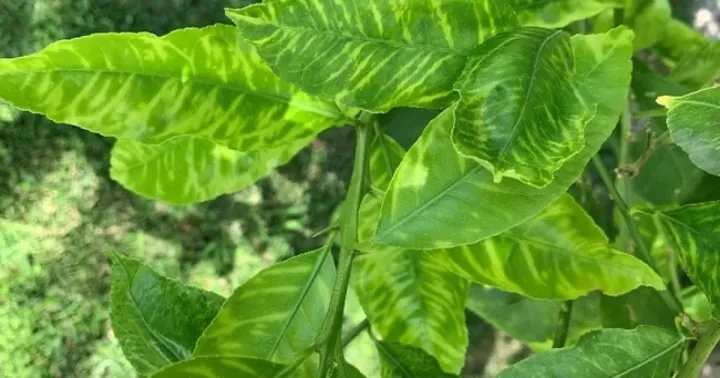
The most distinctive symptom of CYVCV is the characteristic yellowing of leaf veins, which creates a prominent reticulate or netted pattern across the leaf surface.
In early stages, chlorotic spots appear on the leaves, which eventually develop into clear, bright yellow bands following the midrib and lateral veins.
Leaf deformation is a common secondary symptom, often accompanied by a reduction in total leaf area, which hinders the photosynthetic capacity of the plant.
While severe cases may lead to premature leaf drop and tree decline, fruits rarely show external symptoms, though yield potential is significantly compromised.
The severity of symptoms can vary depending on the citrus variety, environmental conditions, and the time elapsed since the initial viral infection.
Pathogen
Citrus yellow vein clearing virus (CYVCV) is a destructive plant pathogen that specifically affects citrus species. It belongs to the Mandarivirus genus and is considered a significant threat to global citrus production.
The virus acts as a systemic pathogen, infecting the phloem tissues of the plant. Once a citrus tree is infected, the virus spreads throughout the organism, becoming a chronic condition that persists for the tree's entire life.
The primary natural vector for the transmission of CYVCV is the citrus whitefly. Through its feeding process, the insect introduces viral particles into healthy trees during the growing season.
Human activity is a major factor in the spread of the virus, particularly through the propagation of infected nursery stock, scions, and rootstocks used in grafting.
Ongoing research focuses on the viral genome to better understand its evolutionary dynamics and develop more effective molecular diagnostic tools for early detection.
Conditions for development
The development and spread of CYVCV are highly dependent on favorable environmental factors that support the survival and reproduction of the whitefly vector.
Warm and humid climates are optimal for the rapid colonization of citrus trees by the vector, thereby increasing the probability of successful viral transmission.
Viral replication within the host is enhanced by moderate to warm temperatures, typically ranging from 20 to 28 degrees Celsius, which align with peak citrus growth periods.
Poor orchard sanitation and high-density planting without adequate pest control measures facilitate the rapid transmission of the virus from tree to tree.
Greenhouse environments, if not properly managed, can harbor both the virus and its vectors, posing a high risk for commercial nursery operations.
Why it matters
The economic impact of CYVCV is substantial, primarily due to the loss of tree vigor and a significant decline in overall fruit productivity and quality.
Infected trees exhibit stunted growth and reduced fruit size, making the harvest unsuitable for the premium fresh fruit market, resulting in financial losses.
The chronic nature of the disease often necessitates the removal and destruction of infected trees, which can lead to the loss of entire orchard sections.
Beyond direct yield loss, the presence of the virus triggers severe phytosanitary restrictions on the movement of citrus material between regions and countries.
Long-term infestation without proper management can destabilize the local citrus industry and lead to long-term decline in agricultural land viability.
Protection
The cornerstone of CYVCV management is the exclusive use of virus-free, certified propagation material derived from disease-indexed stock.
Effective pest control is essential, focusing on the management of citrus whitefly populations through a combination of chemical, biological, and cultural methods.
Strict orchard hygiene must be maintained, which includes the immediate rogueing and disposal of any trees exhibiting signs of the virus to eliminate infection sources.
Pruning tools must be thoroughly disinfected using alcohol or bleach solutions between trees to prevent the mechanical transmission of the virus via contaminated sap.
Stringent quarantine and biosecurity protocols for imported plant materials are critical to preventing the introduction and spread of this virus into non-endemic areas.
Discussion
No discussions yet — be the first.