
Citrus sadwavirus
Sadwavirus citri
Description
Symptoms
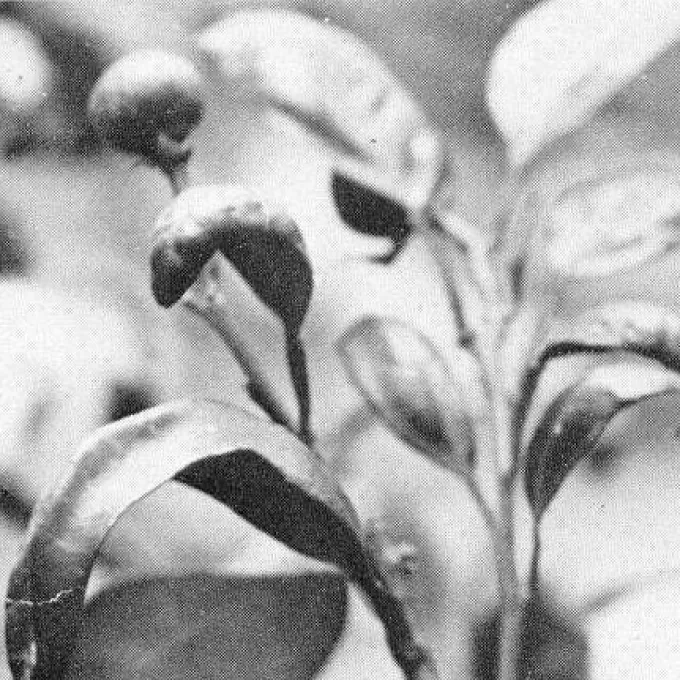
Symptoms of citrus sadwavirus include visible leaf deformations, such as curling, wrinkling, and the development of chlorotic or necrotic patterns on the blades.
Infected trees exhibit stunted growth and an overall decline in vigor, which is particularly noticeable in the reduced annual shoot elongation.
Fruit symptoms are common and may include irregularity in shape, reduced size, and internal quality degradation, making the produce unmarketable.
Trees affected by the virus often show signs of premature leaf drop, which further exhausts the plant and leads to a thinning canopy over time.
- Leaf distortion and discoloration
- Reduced fruit size and deformities
- Stunted vegetative growth
- Premature defoliation
Pathogen
The causal agent is Sadwavirus citri, a plant-pathogenic virus belonging to the Secoviridae family and the Sadwavirus genus. It is a single-stranded RNA virus that causes systemic infections in citrus trees.
The virus is primarily transmitted through vegetative propagation methods, including the use of infected grafting scions and rootstocks in nursery production.
Mechanical transmission is a major concern, as the virus can be spread by pruning tools, knives, and other equipment contaminated with the sap of an infected plant.
The virus replicates within the host's cellular machinery, leading to physiological disruptions that affect the overall health and development of the tree.
Due to its systemic nature, once a tree is infected, the virus spreads through the vascular system, making it impossible to cure with chemical treatments.
Conditions for development
The development of the disease is favored by active growing seasons, with optimal viral replication occurring at temperatures between 20°C and 28°C.
High moisture levels in nursery environments contribute to the spread of the virus, especially when plants are densely packed and pruning is frequent.
The presence of grafting wounds provides an entry point for the virus, especially if the scion material was sourced from a latent carrier of the pathogen.
Human activity is the most significant factor in spreading the disease, as workers often move between healthy and infected trees using the same tools.
Soil-borne vectors, although less common for this specific virus, may play a secondary role in local transmission between roots in close proximity.
Why it matters
The virus poses a severe threat to the citrus industry by significantly reducing fruit yield and lowering the economic value of the harvested produce.
Orchards infected with citrus sadwavirus experience long-term productivity losses, eventually necessitating the complete removal and replacement of affected trees.
The asymptomatic phase makes the virus particularly dangerous, as infected trees can remain in the field as reservoirs of the pathogen for many years.
Increased susceptibility to secondary fungal and bacterial infections is a common consequence, as the virus weakens the host's natural defense mechanisms.
Regional trade restrictions and quarantine regulations can be imposed when the virus is detected, causing financial hardship for local farmers.
Protection
The primary control strategy is to use certified, virus-free planting material sourced from reputable nurseries that employ rigorous health testing protocols.
Implement strict hygiene practices, such as disinfecting all pruning tools between each tree using appropriate sanitizing agents like sodium hypochlorite.
Regular diagnostic screening, including PCR testing, is recommended for nursery stock to ensure the early detection and elimination of any viral presence.
In the event of an outbreak, prompt removal and destruction (burning) of symptomatic trees are necessary to prevent the further spread of the virus.
Avoid sourcing grafting materials from unknown or non-certified sources to maintain the health integrity of the citrus orchard and prevent introduction.
Discussion
No discussions yet — be the first.