
Citrus tristeza virus
Citrivirus citri
Citrus tristeza virus (CTV) is a member of the Closteroviridae family and is considered one of the most significant pathogens in citrus production.
What the section contains
Citrus tristeza virus
The virus particles are elongated, thread-like structures containing single-stranded RNA, exhibiting significant genetic diversity.
It affects a vast range of citrus species, causing a wide spectrum of symptoms depending on the viral strain and the host graft-stock combination.
CTV can persist in latent stages within plant tissues, making detection in asymptomatic nursery stock a major global challenge.
The severity of the disease is strictly determined by the interaction between the viral genome and the genetic background of the citrus plant.
Symptoms often manifest as slow decline, leaf yellowing, and stunted growth, frequently mimicking nutritional deficiencies in the orchard.
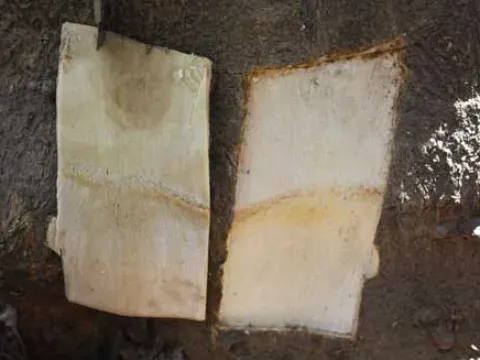
A diagnostic characteristic is the development of a graft union incompatibility, leading to bark and phloem necrosis at the bud union.
Stem pitting, which involves deep depressions in the wood, is a common symptom that severely impacts the tree's vascular system and structural integrity.
Some highly virulent strains cause a quick decline, where the tree collapses and dies suddenly despite sufficient irrigation and fertilization.
Molecular detection techniques like RT-PCR and ELISA are essential for accurate identification of the virus in infected plant tissues.
The virus is naturally transmitted by several species of aphids, with Toxoptera citricida (brown citrus aphid) being the most efficient vector.
Human activity, specifically the movement of infected plant material and the use of unsterilized pruning tools, facilitates its rapid spread.
Environmental conditions that favor the rapid reproduction and dispersal of aphid populations correlate directly with increased infection rates.
Orchards located near alternative hosts or abandoned citrus groves are at a higher risk of becoming reservoirs for the virus.
The lack of proper quarantine practices between different geographic regions allows the virus to infiltrate new, previously unaffected areas.
Citrus tristeza has been responsible for the loss of tens of millions of citrus trees worldwide, making it a critical threat to the industry.
Economic damage stems from reduced fruit yields, poor fruit size, and severe degradation of tree health leading to premature death.
The disease renders affected orchards economically unviable, forcing farmers to replace entire blocks of trees at a significant cost.
International trade barriers and strict phytosanitary regulations are often imposed on regions where the virus is present, limiting export markets.
The long-term impact on global citrus production includes not only monetary loss but also a reduction in the diversity of citrus varieties being cultivated.
The most effective strategy is the exclusive use of certified virus-free budwood obtained from clean plant programs.
Selecting tolerant or resistant rootstocks is a fundamental practice in modern citrus orchard design to mitigate the impact of CTV.
Rigorous management of aphid vector populations through targeted insecticidal treatments helps reduce the rate of virus transmission.
Strict hygiene protocols, including the disinfection of pruning and budding tools with appropriate solutions, are mandatory for preventing mechanical transmission.
Eradication of infected individual trees and immediate quarantine of affected zones are crucial for slowing the progress of an outbreak.