
Citrus tristeza virus
Closterovirus tristezae
Citrus tristeza virus (CTV) is a member of the Closteroviridae family and is considered one of the most significant and destructive plant viruses. It is a long, flexuous, filamentous virus containing single-stranded RNA.
What the section contains
Citrus tristeza virus
The virus has a narrow range of hosts, primarily affecting plants in the Rutaceae family. It is particularly dangerous for citrus species grafted onto sour orange (Citrus aurantium) rootstocks.
Various citrus varieties, including sweet oranges, grapefruits, and limes, are highly susceptible to the virus. Different strains of CTV vary in virulence, causing syndromes ranging from mild to severe decline.
Transmission occurs through the movement of infected budwood and nursery stock, as well as by several species of aphids. The brown citrus aphid (Toxoptera citricida) is the most efficient vector for transmitting the virus.
Once the virus enters the plant, it colonizes the phloem tissues, causing systemic infection. This leads to the disruption of carbohydrate translocation and subsequent damage to the tree's vascular system.
Symptoms of CTV are highly variable depending on the scion-rootstock combination and viral strain. A classic sign is a rapid decline, where leaves turn a dull, greyish color and the tree wilts quickly.
Early-stage indicators include vein clearing in leaves, stunting of growth, and yellowing foliage that is often mistaken for nutrient deficiencies. The crown may thin out as leaves gradually drop.
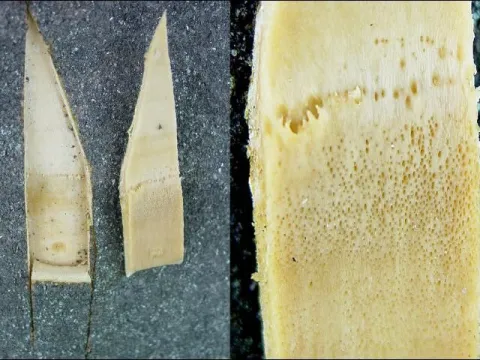
Stem pitting is a hallmark symptom of more aggressive CTV strains. This involves the development of vertical depressions or channels in the wood of the trunk and branches, severely weakening the tree structure.
Fruit production is heavily impacted; fruits on infected trees are typically smaller in size and lower in quality. In severe cases, the entire tree can collapse and die within a single growing season.
Laboratory diagnosis is essential for confirming the presence of the virus. Techniques like ELISA (Enzyme-Linked Immunosorbent Assay) and RT-PCR are standard methods used by agricultural diagnostic services to detect viral RNA.
The spread of CTV is heavily dependent on the prevalence and movement of its aphid vectors. Warm and humid conditions that favor aphid reproduction increase the risk of rapid disease outbreaks.
Global movement of ornamental and agricultural citrus plants is the primary driver for the introduction of the virus into new geographical areas. Lack of strict quarantine procedures accelerates this process.
High-density planting systems can facilitate the movement of aphids between trees, especially if integrated pest management (IPM) practices are not strictly followed.
Environmental stress, such as drought or poor soil management, can exacerbate the decline of an infected tree. A weakened plant is often unable to compensate for the vascular damage caused by the virus.
The virus can persist in asymptomatic host plants, making them hidden reservoirs that allow the disease to circulate unnoticed until environmental conditions trigger a visible outbreak.
CTV is widely recognized for causing massive economic losses in the citrus industry globally. It has led to the death of millions of trees and has forced the total replacement of susceptible rootstocks in many countries.
The economic impact is multi-faceted: it involves the loss of productive orchards, the high cost of tree removal and replanting, and the long-term decrease in yield and quality of citrus fruits.
Infected trees often become unproductive, making their maintenance unprofitable. The fruit does not meet international export standards, resulting in significant commercial losses for producers.
Strict phytosanitary regulations imposed by countries to prevent the spread of CTV create challenges for trade, limiting the market access for citrus-growing regions affected by the virus.
Despite ongoing research, developing long-term genetic resistance in citrus varieties remains a difficult task due to the high variability and adaptation of viral strains to changing environments.
Strict quarantine measures are the first line of defense. Restricting the movement of plant materials from affected areas is crucial to prevent the introduction and establishment of the virus.
The use of certified, virus-free budwood for propagation is mandatory for modern citrus production. Nurseries must adhere to rigorous testing protocols to ensure that all saplings are healthy.
Replacing sensitive rootstocks with tolerant or resistant varieties is a highly effective strategy. Growers are encouraged to use rootstocks like trifoliate orange hybrids that are not affected by most CTV strains.
Integrated pest management strategies focused on reducing the aphid population can help mitigate the risk of viral spread. While chemicals can manage vectors, they are rarely sufficient to control the disease on their own.
Prompt eradication of infected trees by uprooting and burning is necessary to eliminate sources of inoculum and protect the remaining healthy trees in an orchard.