
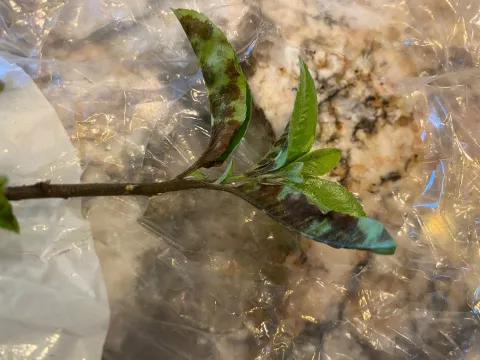
Pyracantha scab
Spilocaea pyracanthae
The causative agent of this disease is the fungus Spilocaea pyracanthae, which specifically targets plants within the Pyracantha genus. It is classified as an ascomycete fungus with specialized pathogenicity.
What the section contains
Pyracantha scab
The fungus develops primarily in the cuticle and epidermal layers of the leaves and stems. By consuming nutrients from the host plant's tissues, it disrupts normal metabolism and weakens the overall structure of the plant.
The pathogen overwinters as mycelium and conidia on fallen leaves and infected twigs. Once environmental conditions stabilize in the spring, the fungus begins its cycle of sporulation.
Transmission occurs through the dispersal of spores via splashing rain and wind currents. The rapid reproduction cycle allows the fungus to cover large areas of the foliage within a single growing season.
Understanding the life cycle of Spilocaea pyracanthae is essential for timing fungicide applications effectively to prevent secondary infections.
The first symptoms appear as small, olive-gray spots on the upper leaf surface. Over time, these spots expand, darken, and develop a distinct velvety fungal growth.
Severely affected leaves may yellow and drop prematurely, leading to significant defoliation. This process often starts from the lower parts of the shrub where humidity is highest.
Stems and young twigs show signs of infection through dark, sunken lesions or ulcers. These lesions can cause the shoots to twist or bend abnormally, restricting healthy growth.
Fruits are also affected, developing small, dark, corky spots that merge over time. This ruins the bright, ornamental berry display for which Pyracantha is commonly grown.
- Olive-colored velvety spots on leaves.
- Premature yellowing and leaf drop.
- Deformed, ulcerated young stems.
- Blackened and corky fruit surface.
High humidity and moisture are the primary drivers for Spilocaea pyracanthae development. Frequent rainfall and persistent dew provide the necessary moisture for spore germination.
Temperatures ranging from +15°C to +22°C (59°F - 72°F) are optimal for the growth and spread of the fungus. During wet spring weather, the disease can spread rapidly through a hedge.
Poor air circulation, often caused by overcrowding or dense foliage, creates a microclimate that remains damp for extended periods, facilitating fungal infection.
Overhead watering or irrigation that wets the leaves is highly detrimental, as it prolongs the time that moisture stays on the foliage, allowing spores to penetrate tissues easily.
Lack of proper sunlight penetration into the center of the shrub prevents the inner leaves from drying out, creating a persistent breeding ground for the pathogen.
The primary damage is aesthetic, as Pyracantha is valued for its evergreen foliage and vibrant berries. The disease renders the plant unsightly and unattractive.
Severe defoliation stresses the plant, reducing its ability to photosynthesize and store energy for winter survival and future growth.
Weakened plants are more susceptible to other biotic stresses, including secondary pests and cold damage during harsh winter months.
The loss of fruit quality significantly reduces the ornamental value, as the infected berries often rot or shrivel, attracting unwanted insects.
Long-term infections can lead to dieback of entire branches, which compromises the shape and structural integrity of the plant, often requiring severe pruning or removal.
The first line of defense is proper cultural practice: ensuring adequate spacing and thinning the canopy to allow for better air movement and light penetration.
Strict sanitation measures are required, including the regular removal and destruction of all fallen debris and infected stems to reduce the overwintering inoculum.
Preventative applications of copper-based fungicides in the early spring can significantly lower the risk of initial infection.
If symptoms are detected, systemic fungicides should be applied to halt the progression of the fungus within the plant tissues. Rotating fungicides with different modes of action is recommended.
Always water at the base of the plant rather than using overhead sprinklers to keep the foliage as dry as possible, which is critical for suppressing scab development.