
Heterosporium
Heterosporium
The disease known as Heterosporium is caused by parasitic fungi from the genus Heterosporium. These pathogens are widely distributed and affect a diverse range of plant hosts, including ornamental flowers and vegetables.
What the section contains
Heterosporium
The fungus propagates through conidia, which are produced on the surface of the infected tissue. These spores are disseminated primarily by wind and rain splashes, allowing the pathogen to spread across fields quickly.
It survives the winter in infected plant debris, soil, or on seeds as mycelium or resistant spores, acting as a primary source of inoculum for the next growing season.
The life cycle involves penetration of the host tissue, colonization of the mesophyll, and subsequent emergence of sporophores through the stomata to complete the reproduction cycle.
Taxonomically, the genus is closely related to other spot-causing fungi, and modern molecular diagnostics are often required to distinguish specific species within the complex.
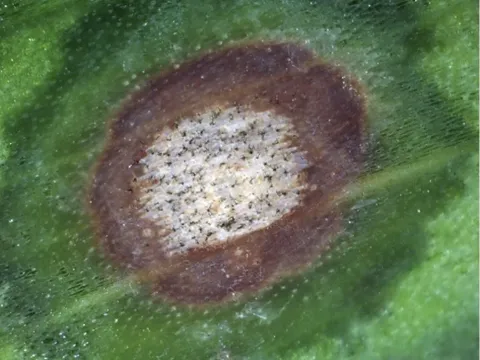
Symptoms typically appear as small, circular or irregular spots on the leaves. These spots initially appear light-colored or yellowish but gradually enlarge and turn brown or dark gray.
A distinct feature of Heterosporium infection is the development of a velvet-like coating, which consists of masses of fungal spores. This coating is most visible under humid conditions.
In advanced stages, the infected leaf tissue dies, creating necrotic areas that coalesce. This often leads to premature yellowing and dropping of the foliage.
Stems and floral stalks may also show elongated lesions, which can weaken the structural integrity of the plant, leading to lodging or stem breakage.
Flower buds on susceptible plants may fail to open or become deformed if the infection reaches the reproductive organs during the early development phase.
High relative humidity (above 80%) is the primary environmental factor triggering the development and spread of the disease. Prolonged periods of dew, fog, or rainfall create ideal conditions.
The optimal temperature range for the pathogen's growth is between 15°C and 25°C. Moderate temperatures combined with moisture are critical for the successful infection of host tissues.
Dense planting patterns reduce air circulation, maintaining a humid microclimate around the plants, which drastically increases the susceptibility to spore colonization.
Poor soil drainage and low-lying field areas where water accumulates can exacerbate the severity of the outbreak by increasing local atmospheric humidity.
Plants weakened by nutrient deficiencies, especially low phosphorus or potassium levels, show significantly higher vulnerability to Heterosporium compared to well-fertilized crops.
The primary damage is caused by the loss of photosynthetic area, which significantly stunts the growth of the plant and reduces overall biomass production.
For agricultural and ornamental crops, the disease ruins the visual quality and marketability of the produce, as blemishes on leaves and stems are unacceptable for commercial standards.
Heavy infections can lead to significant yield losses in vegetable crops, as the plant shifts its energy from fruit production to defensive responses or tissue repair.
The disease creates a persistent threat within the field, as the accumulation of fungal spores in the soil ensures that the following crops are at high risk of immediate infection.
Economic losses are compounded by the costs of repeated fungicide applications and the labor required for sanitation and the removal of severely infected specimens.
Cultural control is the first line of defense. This includes crop rotation to avoid planting susceptible species in the same soil for at least three consecutive years.
Strict sanitation measures, such as the total removal and burning of infected plant debris, are essential to reduce the primary inoculum load in the field.
Chemical control involving the use of protectant and systemic fungicides (such as copper-based compounds or triazoles) should be implemented as soon as symptoms are detected.
Proper irrigation management, such as using drip systems instead of overhead sprinklers, helps keep the foliage dry and prevents the germination of fungal spores.
- Maintaining appropriate plant spacing for better airflow.
- Using high-quality, disease-free certified seeds.
- Applying balanced fertilizers to boost natural plant immunity.
- Regular monitoring of fields for early signs of infection.