
Fusarium wilt of tomato
Fusarium wilt races 0,1
The causal agent of Fusarium wilt is the soilborne fungus Fusarium oxysporum f. sp. lycopersici. Specifically, races 0 and 1 are known for causing significant damage to commercial tomato varieties.
What the section contains
Fusarium wilt of tomato
This fungus is classified as an anamorphic fungus and can survive for many years in the soil as chlamydospores, which are highly resilient structures.
The infection initiates when the fungus penetrates the root system of the tomato plant, often through wounds caused by nematodes, insects, or mechanical handling during transplanting.
Once inside, the pathogen moves into the vascular system (xylem) where it multiplies rapidly, producing mycelium and spores that block the upward movement of water and nutrients.
The spread of the fungus is primarily facilitated by contaminated soil, infected transplants, agricultural tools, and sometimes movement through irrigation water or greenhouse surfaces.
Symptoms often appear first on the lower leaves, characterized by yellowing and chlorosis that typically manifests on one side of the leaflet or one side of the entire plant.
As the disease progresses, the plant exhibits signs of wilting during the warmest parts of the day, showing temporary recovery at night when transpiration demand is lower.
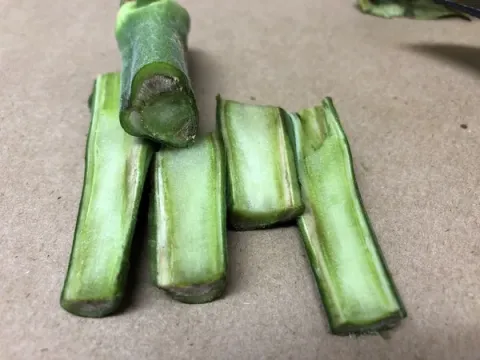
A diagnostic sign is found by cutting the stem near the base: the vascular bundles exhibit a distinct dark brown or reddish-brown discoloration due to fungal colonization.
Under conditions of high humidity, a soft, pale pink or white mold may develop on the stems near the soil surface, indicating active sporulation of the pathogen.
Severe infection leads to the permanent wilting and death of the plant. Leaves will turn yellow, brown, and eventually drop off, leading to complete foliage loss.
Fusarium wilt thrives in warm temperatures, with the optimal range for disease development being between 25°C and 28°C (77°F to 82°F).
Excessive soil moisture is conducive to the germination of fungal spores, though the fungus can also survive in relatively dry conditions thanks to its dormant chlamydospores.
The disease tends to be more severe in acidic soils, specifically when the pH is below 6.0, as this environment favors the activity of the fungal pathogen.
Poorly drained soils and greenhouses with high humidity levels significantly increase the risk of rapid spread and infection of neighboring plants.
High levels of nitrogen fertilizer can sometimes exacerbate the disease, whereas the presence of specific soil microbes can provide natural suppression of the fungus.
The disease is highly destructive, capable of causing yield losses ranging from 30% up to complete crop failure in highly susceptible cultivars.
Infected plants display stunted growth and reduced fruit size, making the harvest commercially unmarketable and poor in quality.
Because the pathogen persists in the soil indefinitely, contaminated fields may require long-term management strategies or the use of resistant rootstocks.
The economic impact is compounded by the high cost of soil sterilization, potential usage of chemical fungicides, and the need for frequent replacement of failed crops.
In addition to yield reduction, Fusarium wilt can open the door for secondary infections, as the weakened plant becomes highly susceptible to various bacterial rots.
The most effective strategy for managing Fusarium wilt is the use of genetically resistant tomato varieties, which are labeled for resistance to specific races, including 0 and 1.
Crop rotation is crucial; avoiding solanaceous crops in infested soil for at least 3 to 4 years helps reduce the inoculum density of the fungus.
Maintaining proper soil pH through liming and ensuring optimal irrigation practices can create an environment less favorable for the pathogen.
Biological control agents, such as Trichoderma species or specific strains of Bacillus, can be applied to the soil to suppress the growth of the fungus.
- Sanitize greenhouses and tools thoroughly after every growing season to eliminate fungal spores.
- Rogue out and destroy infected plants immediately upon detection to prevent further spreading.
- Control soil-dwelling pests like nematodes, which create entry wounds for the fungus.
- Ensure that greenhouse transplants are certified as disease-free before moving them into the main crop area.