
Hypocrea
Hypocrea
Hypocrea is a genus of fungi belonging to the Ascomycota phylum. Taxonomically, many species within this genus are recognized as the teleomorph (sexual stage) of Trichoderma species, which are widely known in agricultural science.
What the section contains
Hypocrea
These fungi act primarily as saprotrophs but can demonstrate opportunistic parasitic behavior, colonizing stressed or weakened plant tissues, especially woody parts such as branches and trunks.
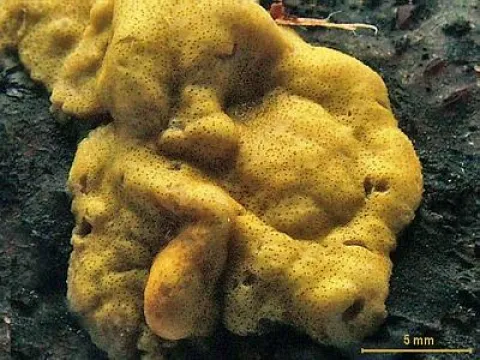
The fungus reproduces by creating small, compact, and often colorful stromata (fruiting bodies). These structures typically appear as yellowish, greenish, or brown cushions on the surface of the infected substrate.
Hypocrea species secrete specific cellulolytic enzymes that break down lignin and cellulose, which are essential components of plant cell walls, leading to the rapid structural degradation of the tissue.
The dissemination occurs through microscopic spores that are easily spread by wind, rain splashes, or contaminated gardening tools, allowing the fungus to establish itself across new areas quickly.
The primary visual symptom is the formation of small, leather-like cushions or crusts appearing directly on the bark or wood of the host plant. These can vary in size from a few millimeters to several centimeters.
Surrounding tissues often show signs of necrosis, softening, or discoloration. As the fungus consumes the wood, the texture of the host plant becomes spongy and significantly weakened.
- Development of distinct, colored fungal pads on trunks or branches.
- Cracking of the bark, often revealing the white or pale mycelium inside.
- Premature wilting and yellowing of foliage if the infection affects nutrient-conducting tissues.
- Soft rot localized in areas previously damaged by frost or sunburn.
In advanced stages, the structural integrity of the branch is compromised, leading to limb breakage, particularly under the stress of high winds or heavy snow loads.
The fungus is frequently identified by the presence of powdery sporulation on the surface of the stromata during periods of high humidity and moderate temperatures.
Hypocrea thrives in environments with high humidity and poor airflow. Such conditions are commonly found in overly dense garden plantings or areas with inadequate canopy management.
The ideal temperature range for fungal development and spread is typically between 18°C and 25°C. These conditions coincide with the active growing season of most perennial plants.
Plants with pre-existing injuries—such as unsealed pruning cuts, insect damage, or environmental stressors like frost cracks—are much more susceptible to initial Hypocrea colonization.
The presence of decaying plant matter, such as old stumps, fallen leaves, or wood debris, creates an infectious reservoir that allows the fungus to persist and re-infect healthy plants.
Over-irrigation or poor soil drainage, which keeps the bark and lower trunk constantly moist, significantly accelerates the growth of the fungus in the root collar zone.
The primary damage caused by Hypocrea is the degradation of the plant's structural tissues, which interrupts the transport of water and nutrients from the roots to the canopy.
Persistent infections lead to the gradual decline and eventual death of branches or, in severe cases, the entire plant due to the disruption of vascular systems.
Beyond direct damage, the infection creates open wounds that invite secondary pathogens, including various wood-rotting bacteria and other fungi, further weakening the plant.
In nursery settings, Hypocrea can cause significant economic losses by rendering stock unsellable and reducing the overall vigor of young plants during their critical growth phases.
Trees affected by the fungus become brittle and hazardous, posing a risk to property and safety as they are more likely to lose limbs during storm events.
Effective management begins with rigorous sanitary practices. All infected branches must be pruned back to healthy wood and removed from the site to minimize the spread of spores.
All major pruning cuts should be treated with appropriate sealants or copper-based fungicides to protect the open wood from pathogen entry until the plant naturally heals.
Improving garden hygiene by removing old, decaying wood and fallen debris is essential for reducing the overall inoculum pressure within the growing environment.
Biological control agents, specifically those containing beneficial Trichoderma strains, can be applied to outcompete Hypocrea and promote better plant health in the rhizosphere.
Routine application of preventative fungicides during the dormancy period can help reduce the overwintering spore population, providing a healthier start to the new growing season.