
Hypocreaceae
Hypocreaceae
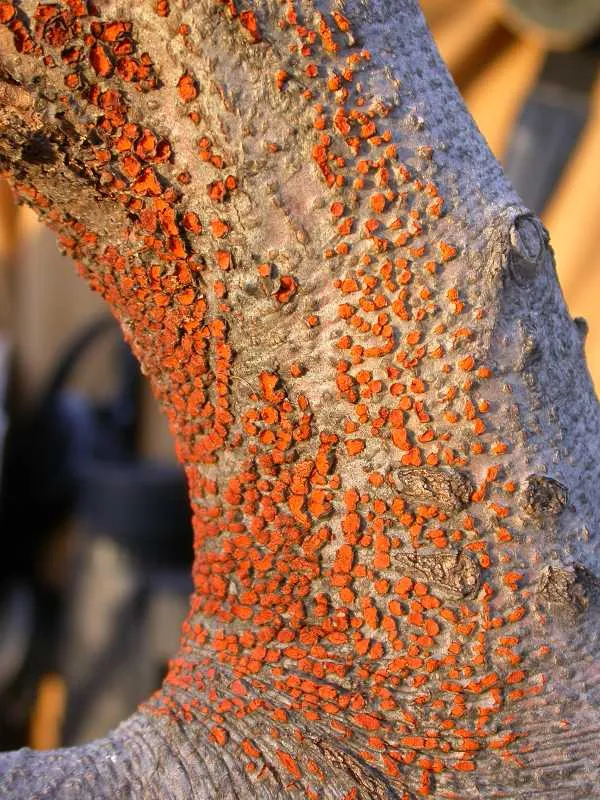
Description
Symptoms
Early symptoms usually involve the appearance of water-soaked spots that rapidly turn brown or black, accompanied by a decline in the plant's overall vitality.
Under humid conditions, distinct fungal growth, often appearing as whitish, greenish, or yellowish fuzzy patches, can be observed on stems, leaves, or fruit surfaces.
Wilting of leaves, despite adequate soil moisture, is a common indicator of vascular colonization where the pathogen restricts the flow of water and nutrients.
Infected fruits frequently develop soft, mushy lesions that emit a characteristic moldy odor and eventually lead to complete decay of the product.
Microscopic examination of affected plant tissue reveals an extensive network of hyphae and the potential presence of fruiting bodies called perithecia, confirming fungal infection.
Pathogen
The Hypocreaceae family represents a significant group of ascomycetes, which includes numerous plant pathogens responsible for various rot diseases, wilts, and blights affecting diverse agricultural crops.
These pathogens are highly adapted to survive in various environments, often overwintering in soil or on infected plant debris as durable mycelium or specialized reproductive structures.
The disease mechanism involves the secretion of enzymes that break down plant cell walls, allowing the fungus to colonize and extract nutrients, often leading to total tissue necrosis.
Transmission occurs through spores (conidia) that can be spread by wind, rain splashes, contaminated farming tools, or through the movement of soil during cultivation.
The biological diversity within this family ensures that pathogens can switch between hosts, making them a persistent threat in polyculture agricultural settings.
Conditions for development
High humidity levels and moderate to warm temperatures are the primary environmental drivers that favor the rapid germination and colonization process of these fungi.
Dense planting patterns that restrict airflow create localized pockets of high humidity, providing the perfect conditions for the disease to spread rapidly through a crop.
Wounds caused by insects, hail, or mechanical damage during pruning or weeding create entry points that make plants significantly more susceptible to infection.
Poor soil drainage leads to waterlogged conditions, stressing the root system and making the plants unable to mount an effective defense against soil-borne pathogens.
Extended periods of cloudy or rainy weather prevent the plant surfaces from drying, which allows fungal spores to successfully establish and penetrate plant tissues.
Why it matters
The economic impact of Hypocreaceae infections is severe, often resulting in significant yield losses, degradation of crop quality, and increased expenditure on pesticides.
Pathogen activity can lead to the contamination of harvestable produce with mycotoxins, rendering it unsafe for human or animal consumption and causing major market losses.
Systemic infections frequently lead to the premature death of the plant, causing visible gaps in fields and drastically reducing overall harvesting efficiency.
Weakened plants are far more susceptible to secondary infections by other opportunistic pathogens, which complicates diagnosis and worsens the overall agricultural output.
Post-harvest storage losses are particularly devastating, as the fungi can continue to spread rapidly among stored produce, destroying entire batches in a very short time.
Protection
Implementing a rigorous crop rotation strategy is the most effective way to disrupt the life cycle of soil-borne pathogens and reduce the inoculum potential.
Sanitation practices, such as removing and destroying crop residues immediately after harvest, are crucial for preventing the long-term buildup of infection in the field.
The application of biological control agents, specifically those containing antagonistic fungi or bacteria, can help suppress pathogen growth in a sustainable manner.
Maintaining optimal spacing between plants and ensuring efficient pruning encourages air circulation and helps keep foliage dry, which inhibits spore germination.
If chemical control is necessary, the use of registered fungicides applied according to technical instructions can prevent outbreaks if initiated at the first sign of symptoms.
Discussion
No discussions yet — be the first.