
Hippeastrum latent virus
Hippeastrum latent virus
Description
Symptoms
As the name suggests, the most prominent characteristic is the lack of visible symptoms. Infected plants may appear perfectly healthy for years while carrying the virus.
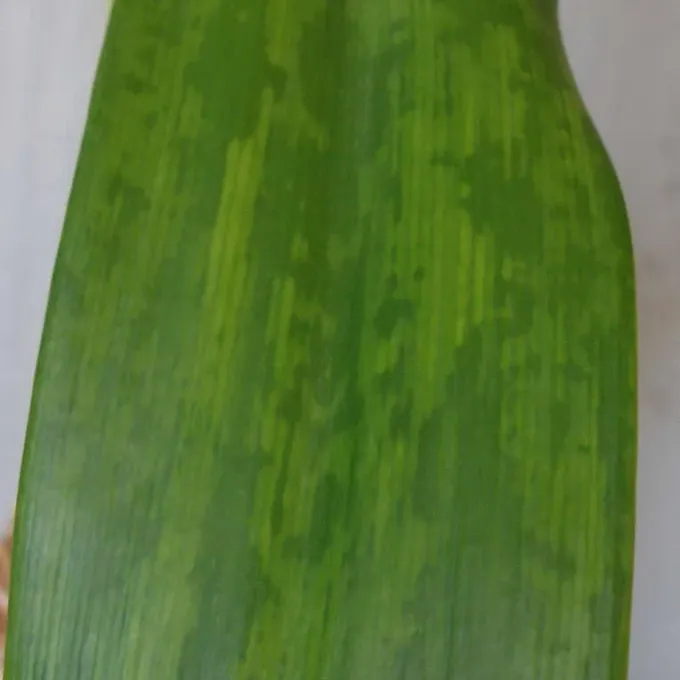
Under specific stress conditions, subtle symptoms may appear, such as faint chlorotic mottling, mosaic patterns, or pale streaks on the leaves.
Reduced vigor and stunted growth are occasionally noted in heavily infected specimens compared to healthy plants grown under the same conditions.
Flower abnormalities, including color breaking or petal distortion, can sometimes occur, though these are often attributed to environmental factors rather than viral influence.
The plant may exhibit decreased resilience to other stressors, making it more prone to secondary infections and reducing the overall quality of bloom.
Pathogen
The causal agent of this disease is the Hippeastrum latent virus (HLV), a member of the Carlavirus genus within the Betaflexiviridae family. It is a filamentous virus that is widespread in various bulbous ornamental crops.
The disease is classified as a systemic viral infection. The virus particles are flexible rods, which are characteristic of this taxonomic group of plant pathogens.
The virus biology is intrinsically linked to the vascular system of the host. It utilizes the plant's phloem to translocate and establish a chronic, long-term systemic infection.
The genome consists of positive-sense single-stranded RNA, which allows the virus to hijack the host's machinery for replication and viral protein production.
Detection is particularly difficult because the virus often exists in a dormant or latent state within the plant cells, requiring diagnostic tests like ELISA or RT-PCR for confirmation.
Conditions for development
The primary mode of dissemination is through the trade of infected bulbous material. Often, dormant bulbs are sold while already carrying the latent viral load.
Insects, particularly various species of aphids, act as vectors, acquiring the virus from infected plants and transmitting it to healthy ones during feeding.
Mechanical transmission is a significant factor in greenhouses and home collections. Using non-sterilized tools during bulb propagation or pruning can easily spread the virus.
High temperatures and humidity favor rapid reproduction of aphid populations, thereby significantly increasing the risk of virus spread within a greenhouse environment.
High-density planting configurations facilitate root and foliage contact, which further increases the chances of cross-contamination between adjacent plants.
Why it matters
The greatest harm is the hidden nature of the infection, turning an asymptomatic plant into a silent reservoir that threatens an entire horticultural collection.
Viral infection leads to the gradual depletion of the bulb's reserves, causing a decline in the plant's ability to produce flowers over successive seasons.
The production of offsets (bulblets) is significantly reduced, and the quality of the propagation material is compromised, making it unsuitable for further distribution.
While the virus itself rarely kills the plant directly, it weakens the host, making it highly susceptible to fatal secondary fungal or bacterial rots.
Because there are no antiviral agents for plants, the economic impact is high, forcing growers to discard entire batches of infected nursery stock.
Protection
Management of HLV is strictly preventative. Once a plant is systemically infected, it cannot be cured, necessitating strict adherence to sanitary protocols.
- Sourcing bulbs exclusively from reputable suppliers who provide virus-tested or certified disease-free material.
- Rigorous sterilization of all cutting tools with disinfectants after handling every individual plant.
- Proactive monitoring and management of insect vectors, especially aphid populations, using systemic insecticides.
- Implementing a strict quarantine period for any new plant introduction before placing it near existing collections.
- Prompt roguing and destruction of any plant displaying suspicious viral symptoms to prevent further transmission.
Discussion
No discussions yet — be the first.