
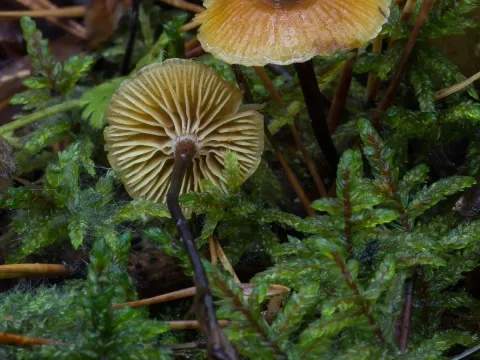
Xeromphalina
Xeromphalina
Xeromphalina is a genus of gilled mushrooms in the Mycenaceae family. From an agronomic and forestry perspective, this object is classified not as a primary pathogen of cultivated crops, but as a wood-decaying fungus (saprotroph).
What the section contains
Xeromphalina
The mycelium of this fungus actively develops in dead wood, penetrating deep into the substrate structure. It is an essential component of the ecosystem, although its massive proliferation in forest nurseries can indirectly indicate issues with the sanitary status of planting stock.
Biologically, it is a basidiomycete fungus that forms fruiting bodies on stumps, coarse woody debris, and decaying roots of coniferous and deciduous trees. It contributes to the breakdown of lignin and cellulose, participating in the biological cycle of nutrients.
The type of wood damage manifests as brown or white rot, depending on the specific species within the genus. The primary pathway of spread occurs via spores dispersed by wind and insects, which settle on damaged bark areas or exposed wood.
In intensive forestry, Xeromphalina is often viewed as an indicator of waterlogged or weakened forest stands, where the natural decomposition process of wood occurs at an accelerated rate.
The main sign of this fungus is the appearance of compact groups of fruiting bodies on the surface of decaying wood. The mushroom caps usually have a bell-shaped or funnel-shaped form, which is a characteristic identification trait of the genus.
When inspecting the affected wood, one can notice a change in tissue color. Gradually, the surface of stumps or roots becomes brittle, loose, and easily crumbles under mechanical stress.
Inside the wood, as the mycelium develops, whitish or yellowish strands form and penetrate the fibers. This indicates an active phase of organic material destruction by fungal enzymes.
In advanced cases, the affected plant parts develop a characteristic musty odor. In the initial stages, symptoms may be hidden, and the presence of the fungus is determined only by the emergence of fruiting bodies during the autumn-spring period.
Visually, the affected wood acquires a dark hue, which distinguishes it from healthy areas. The alteration of tissue structure makes the tree vulnerable to secondary pests such as bark beetles or wood borers.
Xeromphalina develops most actively under high humidity of air and soil. For spore germination, a stable temperature range of +15 to +22 degrees Celsius is required, which is most often observed in the autumn season.
The presence of damaged bark or mechanical injuries on trunks and roots acts as a "gateway" for primary infection. The fungus prefers shaded areas of forest stands with dense ground cover, where moisture is retained for long periods.
An important factor in its spread is an excessive amount of plant debris on the site. The presence of rotting stumps in close proximity to young plantations significantly increases the risk of infecting weakened trees.
Soil acidity also plays a role: acidic forest soils create favorable conditions for colonization by this fungal species. Agrotechnical violations leading to water stagnation trigger outbreaks of fungal development.
Disruption of ventilation in nurseries contributes to the accumulation of spores in the ground layer of the atmosphere, making it easier for them to reach healthy plant tissues.
The primary harmfulness consists of the accelerated destruction of woody debris, which, in plantation forestry, can lead to premature degradation of valuable forest resources.
Although this fungus rarely infects living, healthy trees, it becomes dangerous for weakened specimens. By destroying the root system, the pathogen deprives the tree of stability and access to nutrients.
In industrial forestry, the presence of Xeromphalina reduces wood quality, rendering it unsuitable for construction or woodworking due to the loss of structural integrity.
Indirect harm manifests as the creation of reservoirs for other fungal infections. Softened wood becomes an ideal environment for the reproduction of various insect pests.
Economic losses are associated with the need for expensive sanitary logging and the disposal of affected material to prevent further spread of spores within the forest stand.
To prevent the spread of Xeromphalina, it is necessary to regularly perform sanitary cleaning of the territory, removing deadwood and old stumps that serve as substrates for the fungus.
An important agrotechnical practice is maintaining optimal planting density. This ensures proper ventilation and lowers humidity in the lower tier, preventing spore development.
If necessary, preventive treatment of areas with fungicides approved for forestry use is conducted, especially in areas of bark damage following maintenance logging.
Strengthening plant immunity through proper fertilization and irrigation systems helps trees resist secondary infections that accompany fungal wood damage.
- Timely removal of affected woody debris.
- Ensuring soil aeration in nurseries.
- Treating trunk wounds with protective pastes.
- Controlling humidity levels in forest stands.