
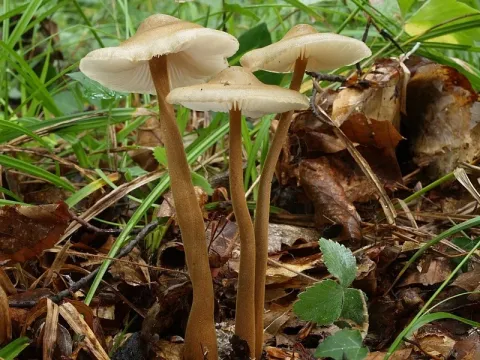
Xerula
Xerula
Xerula is a genus of agaric fungi in the family Physalacriaceae. From the perspective of forest pathology, these fungi are xylotrophs, which are organisms that obtain nutrients from wood.
What the section contains
Xerula
The agent of wood decomposition is the fungal mycelium, which penetrates deep into the substrate. Biologically, these fungi are classified as saprotrophs, although under certain conditions, they may colonize weakened or damaged trees.
The fungus forms fruit bodies visible on the surface of trunks, stumps, or hidden in soil near roots. The mycelium branches actively within the host tissues, utilizing enzymatic processes to break down lignin and cellulose.
Morphologically, representatives of the genus are distinguished by a long pseudorhiza, a root-like appendage extending deep into the soil or substrate. This enables the fungus to access moisture and nutrients from deep wood layers.
Unlike aggressive parasites, Xerula often acts as a reducer, completing the decay cycle of woody debris within forest ecosystems.
The primary sign of the fungus's presence is the emergence of characteristic fruit bodies with a dry, velvety, or slimy cap. The surface color varies from creamy to gray-brown.
On affected wood areas, discoloration of fibers is often observed, indicating the beginning of the decay process. The wood gradually loses structural integrity, becoming soft and brittle.
An important diagnostic sign is the long "root-like stalk," often reaching tens of centimeters, hidden within the soil or decaying wood mass.
The appearance of the caps is often associated with a "xero-" (dry) condition, as the surface may appear dehydrated even in moderate weather.
With prolonged fungal impact on large woody debris, the surface of the affected object becomes covered in a network of mycelial strands visible when the bark is removed.
The development of Xerula is directly dependent on substrate moisture and ambient temperature. Optimal conditions for spore germination and fruit body formation occur during periods of high humidity.
These fungi prefer shaded areas with an accumulation of organic litter. The availability of sufficient decaying deciduous wood is a key factor for colonization.
The temperature range conducive to active mycelial growth is typically between 15–22 degrees Celsius. Extreme frost or severe drought halts the development of fruit bodies.
Spore dispersal is carried out via air or rainwater droplets. Upon landing in bark cracks or on damaged wood areas, spores initiate the primary infection process.
Damage to tree bark integrity, caused by mechanical trauma or insect activity, creates entry points for fungal spores.
In terms of agricultural management, Xerula is not considered a dangerous quarantine object for healthy fruit crops. Its harmfulness is limited to the destruction of woody residues and stumps.
In forestry, the fungus may reduce the commercial value of fallen timber, but its role as a natural forest cleanser outweighs its negative impact.
For home gardens, the presence of the fungus on old fruit tree stumps may signal the need for sanitary maintenance of the site.
The active decomposition of wood by the fungus accelerates the mineralization of nutrients, which is indirectly beneficial for soil fertility in forest zones.
No direct threat to young saplings or healthy trees under normal agricultural conditions has been documented, provided that proper maintenance practices are followed.
Prevention of wood-decaying fungi on a plot involves the timely removal of rotting stumps and dry wood, which serve as natural reservoirs for infection.
It is recommended to conduct regular sanitary pruning of trees, sealing cuts with garden wax to prevent spores from entering the tree tissues.
Maintaining tree health through proper irrigation and fertilization enhances their immunity against potential fungal spore infiltration.
If massive stump infection is discovered in a garden, effective methods include stump removal and subsequent soil disinfection through liming.
- Regular inspection of bark for cracks.
- Disposal of plant residues (burning or composting).
- Application of fungicides in cases of deep mechanical trunk damage.