
Xylaria filiformis
Xylaria filiformis
Description
Symptoms
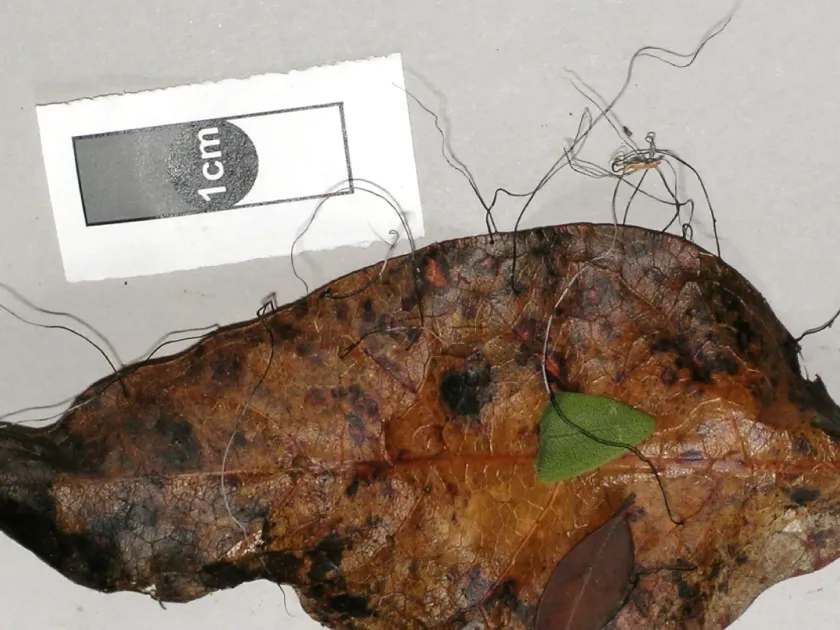
The primary symptom of infection is the emergence of thin, thread-like or club-shaped fruiting bodies. These are typically black and grow directly from the surface of bark or wood.
Infected plant tissues show visible signs of degradation, becoming soft, brittle, and fibrous. The structural integrity of the wood is compromised as the fungus consumes cellulose and lignin.
Initial signs may include the development of a fine, whitish mycelial mat on the surface. As the infection progresses, this mat darkens and thickens, eventually producing the characteristic reproductive threads.
Plants affected by this fungus often exhibit a gradual decline, which may be mistaken for other diseases. Yellowing of foliage and dieback of individual branches are common indicators of impaired vascular function.
The appearance of black, needle-like structures protruding from cracks in the bark or dead areas of the trunk is a definitive indicator of Xylaria filiformis activity.
Pathogen
Xylaria filiformis is an ascomycete fungus belonging to the Xylariaceae family. It is generally recognized as a saprotrophic organism that thrives on decaying plant material, though it can exhibit opportunistic pathogenic traits.
The fungus propagates via ascospores, which are dispersed by wind and water currents. Its biological cycle is deeply integrated with the decomposition of organic matter, particularly lignified tissues.
The mycelium of this fungus is highly resilient and capable of penetrating deep into wood structures. By secreting specific enzymes, it breaks down complex components of the cell walls.
Microscopic structures known as stroma contain the spores, serving as the primary reproductive organs. These structures are often the most visible aspect of the fungal presence on a host.
Because it is well-adapted to varied environmental conditions, Xylaria filiformis remains a persistent inhabitant of forest floors and decaying wood piles, waiting for an opportunity to colonize new hosts.
Conditions for development
High humidity and poor air circulation are the most favorable conditions for the development of this fungus. Stagnant air allows the fungal spores to settle and germinate successfully.
Temperature plays a crucial role, with optimal growth occurring between 18°C and 25°C. During these conditions, the colonization of wood surfaces happens at a significantly faster rate.
Wounded plant surfaces, such as those caused by pruning or natural disasters, act as entry points for the fungal mycelium. Vulnerable trees are much more susceptible to successful infection.
The accumulation of debris and rotting plant matter provides a constant reservoir of inoculum. This is why keeping the immediate environment of the plants clean is vital for disease control.
Shaded environments that prevent quick drying of bark surfaces create the moist microclimate that Xylaria filiformis requires to establish itself and proliferate.
Why it matters
The fungus causes long-term damage by gradually rotting internal plant tissues. This weakens the plant's overall architecture and impairs its ability to transport water and nutrients.
In mature trees, this decay can lead to structural instability, significantly increasing the risk of branches or the entire trunk breaking during high-wind events.
Reduced vascular efficiency leads to the progressive dieback of branches, eventually killing the entire plant if the infection remains unchecked for several seasons.
Ornamental plantings suffer severely from the degradation of their appearance, as the presence of black, thread-like fungal bodies renders them aesthetically undesirable and sick.
The economic impact involves the costs associated with the removal of diseased specimens, specialized pruning, and the overall loss of productive or valuable mature planting stock.
Protection
Strict sanitary practices are the foundation of effective control. Removing and destroying infected plant debris prevents the buildup of fungal inoculum in the surrounding environment.
Promptly treating pruning wounds with appropriate fungicides or wound-sealing agents is essential to prevent the fungus from gaining a foothold in the fresh timber.
Optimizing the site conditions by thinning dense canopy structures ensures better air circulation and sunlight exposure, which inhibits the moisture levels needed by the fungus.
- Regular inspection of trunks and root collars.
- Balanced fertilization to boost plant vigor.
- Sanitary pruning of dead or declining branches.
- Avoiding unnecessary mechanical damage to the bark.
Using biological control agents that compete with Xylaria filiformis can provide an effective and environmentally friendly way to limit its spread in complex landscapes.
Discussion
No discussions yet — be the first.