
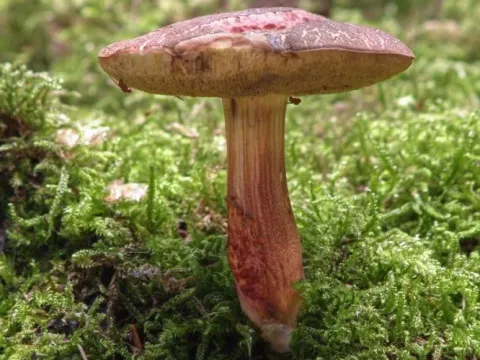
Xerocomus chrysenteron
Xerocomus chrysenteron
Xerocomus chrysenteron, also known as the red-cracked bolete, is a mushroom species belonging to the Boletaceae family. It is not a plant pathogen; instead, it is a beneficial mycorrhizal fungus.
What the section contains
Xerocomus chrysenteron
The mycelium forms a symbiotic relationship with the roots of various deciduous and coniferous trees. This connection aids in nutrient and water uptake, which is essential for the healthy growth of tree seedlings.
Under certain environmental conditions, the fruiting body of this mushroom can be infected by a parasitic fungus called Hypomyces chrysospermus. This parasite acts as a secondary pathogen, destroying the mushroom tissue.
In agronomy and forest management, observing such parasites is important as they serve as bio-indicators of excessive humidity and poor soil ventilation within a forest stand.
While Xerocomus chrysenteron itself is beneficial, its interaction with hyperparasitic fungi highlights the complex ecological dynamics that influence forest soil health.
A healthy red-cracked bolete is characterized by a brownish or olive-toned cap with fine cracks. The underlying flesh is typically yellowish and bruises blue when cut or handled.
When infected by the parasite Hypomyces chrysospermus, the mushroom develops a velvety white mycelial layer on its surface, which later turns yellow or gold.
The infected fruiting body rapidly loses its firmness and becomes soft and waterlogged. This degradation process is often accompanied by a distinct, unpleasant, musty odor.
As the infection progresses, the parasite consumes the entire mushroom tissue, making it impossible to identify the original host species without microscopic analysis.
Visualizing these symptoms in a forest or nursery setting indicates a high level of pathogenic spores in the environment and persistent moisture in the topsoil.
The growth of Xerocomus chrysenteron depends on specific microclimatic conditions, typically requiring high humidity and moderate temperatures throughout the summer and autumn.
The development of the hyperparasite Hypomyces is triggered by stagnant air and waterlogged soil conditions. Poor aeration in dense plantations significantly increases the risk of fungal decay.
The fungus thrives in slightly acidic, nutrient-rich soils. The presence of organic matter like leaf litter is crucial for the establishment of its mycelial network.
Large fluctuations in temperature can weaken the symbiotic mycelium, making it more susceptible to secondary infections by competitive or parasitic microorganisms.
Maintaining a balanced forest ecosystem with proper natural moisture regulation is the primary factor ensuring the long-term survival of this mushroom species.
The disappearance of Xerocomus chrysenteron due to parasitic infection disrupts the mycorrhizal network, which is vital for the optimal growth of surrounding trees.
In forest nurseries, the loss of symbiotic fungi can lead to diminished tree vitality and reduced resistance to environmental stressors like drought or frost.
The degradation of mushrooms by parasites releases a massive amount of spores into the soil, which can hinder the regeneration of healthy mycorrhizal populations.
The harm is largely indirect; however, it negatively affects the biological stability of the soil and the decomposition rates of organic forest floor material.
Essentially, the presence of these parasites signals an ecological imbalance that may lead to less productive forest stands over a long duration.
Effective management strategies focus on preventing excessive moisture accumulation by ensuring proper drainage and soil aeration in tree plantations.
Avoiding overly dense planting helps maintain adequate air circulation, which prevents the build-up of moisture and the growth of mold-like parasitic fungi.
Sanitation practices, such as removing overly saturated decaying debris, can reduce the local spore concentration of various fungal pathogens.
The use of chemical fungicides is generally discouraged, as it can inadvertently harm beneficial mycorrhizal fungi, potentially causing more harm than the parasitic infection itself.
Routine monitoring of soil health and mushroom populations provides valuable data for adjusting silvicultural practices to promote a stable and healthy forest environment.