
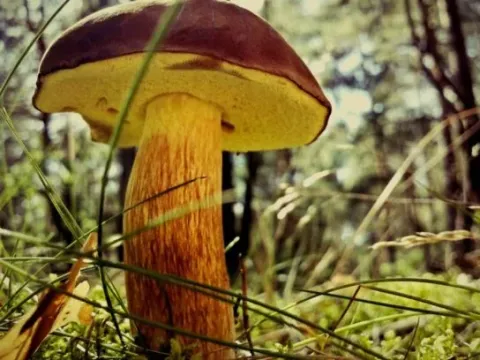
Xerocomus
Xerocomus
The term Xerocomus refers to a genus of edible mushrooms within the Boletaceae family. It is critical to clarify that Xerocomus is not a plant disease, and it does not act as a pathogen affecting crops or ornamental plants.
What the section contains
Xerocomus
Confusion often arises in the field when growers misidentify mushroom mycelium growing on soil or organic matter as a disease-causing agent. However, Xerocomus is biologically distinct from the parasitic fungi responsible for crop damage.
True phytopathogens that cause diseases in agriculture typically belong to different classes of fungi, such as Fusarium or Rhizoctonia. These parasites invade plant tissues, whereas Xerocomus is a mycorrhizal or saprotrophic organism associated with forest trees.
Agronomists must differentiate between beneficial forest mushrooms and real pathogenic threats. Misidentifying forest mushrooms can lead to unnecessary and ineffective fungicide treatments on agricultural lands.
In summary, Xerocomus does not possess the biological mechanisms to infect living plant cells. It remains a wild fungal genus that plays a role in forest ecosystems rather than agricultural fields.
Xerocomus fungi develop exclusively in specific environments, primarily forests, where they form mycorrhizal relationships with tree roots. They require organic-rich leaf litter, specific soil pH, and stable forest humidity levels.
Unlike crop-attacking pathogens, these mushrooms do not depend on weakened plants to thrive. They are not transmitted through seeds, contaminated tools, or agricultural residues within a typical farming environment.
Agricultural practices, such as plowing, fertilization, and crop rotation, generally create conditions that are hostile to the development of Xerocomus species. Therefore, they are rarely found in intensive cultivation settings.
The spread of these fungal spores occurs via wind and local wildlife in natural forest habitats. They do not pose a risk of spreading to fields, greenhouses, or orchards.
Since this genus is not a plant disease, there are no specific control measures or protection strategies required. Growers should focus on managing actual pathogenic fungi that impact crop yield and quality.