
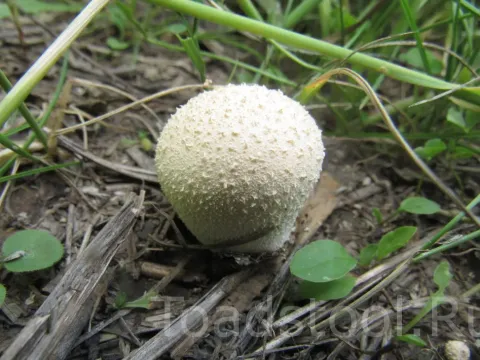
Vascellum
Vascellum
Vascellum is a genus of fungi belonging to the Agaricaceae family. While many species are known as saprotrophs living in soil and decaying matter, they can occasionally act as opportunistic pathogens affecting the root zones of various plants.
What the section contains
Vascellum
The life cycle of Vascellum involves the production of basidiospores. These spores are highly resistant to adverse environmental conditions and can remain dormant in the soil for extended periods until favorable moisture and temperature levels occur.
The vegetative part of the fungus, the mycelium, colonizes the substrate. In agricultural settings, this substrate often consists of decomposing organic material, mulch, or heavy, poorly aerated soil rich in nutrients.
Biological interactions show that the presence of extensive Vascellum mycelium can affect the absorption capacity of plant roots. Through chemical secretion, the fungus interferes with normal nutrient uptake, creating a stress response in the host plant.
The genus is widespread globally, adapting to temperate climates. Its ability to survive on a wide range of organic debris makes it a persistent inhabitant of many soil types, which complicates complete eradication.
Symptoms of Vascellum infection often start with visible stunting of the crop. Infected plants may appear pale and exhibit signs of nutritional deficiency, even if fertilizers are correctly applied.
A detailed inspection of the root system often reveals necrotic lesions or brownish discolorations. These symptoms are caused by the degradation of root tissues as the fungus establishes its mycelial network around the root hairs.
During periods of high humidity, a characteristic white or grayish fungal mat might appear on the soil surface near the stem. This indicates active colonization and poses an immediate threat to the plant's vascular health.
The appearance of small, round fruiting bodies (the Vascellum mushrooms) on the soil or near the plant base serves as a definitive visual sign of the pathogen's presence and high spore density.
Leaves on affected plants may show premature wilting or yellowing. Since the root-to-shoot transport system is compromised by the fungal activity, the plants cannot maintain proper hydration during peak daytime heat.
High moisture levels in the soil are the primary driver for Vascellum development. Soils with poor drainage or those prone to waterlogging create the ideal microenvironment for this fungus to flourish.
The fungus thrives within a temperature range of 15°C to 25°C. These temperatures, combined with high soil organic content, accelerate the rate of mycelial growth and spore germination.
Compacted, heavy soils that lack adequate aeration are particularly susceptible to Vascellum infestation. The lack of oxygen in deep soil layers encourages the fungus to colonize the surface and near-surface root zones.
Excessive use of uncomposted manure or organic mulch can stimulate Vascellum activity. This provides an abundant food source, allowing the fungal population to explode within a short period.
Dense planting configurations limit air circulation, keeping the soil surface and plant base damp for longer periods. This microclimate is conducive to the establishment and spread of fungal spores between plants.
The primary harm caused by Vascellum is the suppression of plant growth and a significant reduction in overall yield. Energy that should be directed towards fruit or seed development is wasted on stress management.
Competition for soil nutrients is another major issue. The fungus consumes organic matter and nutrients, leaving the host plant starved of nitrogen and essential minerals, which cannot be easily corrected.
Vascellum damage compromises the integrity of plant roots, facilitating the entry of more aggressive secondary pathogens, including bacteria and other soil-borne fungi that can kill the plant entirely.
In market gardening, produce that touches the ground in contaminated soil may become covered in fungal debris. This drastically reduces the shelf life and quality of the vegetables, making them unsellable.
Economic losses in commercial nurseries can be significant, as Vascellum can cause high mortality rates among young seedlings, necessitating additional costs for replanting and soil disinfection.
Effective control of Vascellum starts with robust soil management practices. Improving soil structure through proper drainage is essential to prevent waterlogged conditions that favor the fungus.
- Implementing crop rotation to break the pathogen's life cycle.
- Deep plowing or tilling to incorporate organic matter and reduce surface fungal accumulation.
- Using biological fungicides, particularly those containing Trichoderma species, to suppress harmful fungi.
- Regular monitoring of soil moisture to ensure optimal levels for plant growth without promoting fungal development.
Chemical intervention may be necessary in extreme cases, focusing on systemic fungicides. However, these should be used as a last resort, with a priority on preventative cultural and biological methods.
Sanitation is critical; all infected plant material should be carefully removed and destroyed away from the growing area. Proper composting of waste at high temperatures is required to kill spores.
Ensuring adequate plant spacing allows for better airflow, which helps keep the soil surface dry. This simple practice significantly reduces the likelihood of successful spore germination and spread.